










Breaking News
 French Bonds Rally As Le Pen Unveils Shadow Budget To Pull France Back From Fiscal Brink
 How an asset falls when everyone wants to own it
 Trump Says "Let them [Iran] take out Los Angeles or San Diego"
 Grand Theft World Podcast 307 | Perfect Timing with guest Jason Bermas
Top Tech News
 SHOCK CASE REPORT: Advanced Alzheimer's Patient Regains Speech, Memory, Mobility...
 Most artificial limbs rely on silicone or plastic to mimic human hands.
 Flying cell tower beams phone signal to Japan from 10 miles up
 Chinese Commercial Reactor Achieves Nuclear Fusion with Clean Hydrogen-Boron Fuel
 Med Beds Just Took a MASSIVE Step Forward, Healing People in Days!
 Palmer Luckey: Autonomous Weapons Are Ancient and Why Anduril Won't Build Humanoids | EP #295
 A laser just photographed objects through six feet of concrete
 Elon Musk's Next-Gen Motor Destroy Entire EV Industry
 China's disputed satellite refueling heralds new space war era
 BYD Will Put Solid-State Batteries In An EV Next Year: Executive



Americans Are Turning To AI Chatbots For Voting Advice In Midterm Elections
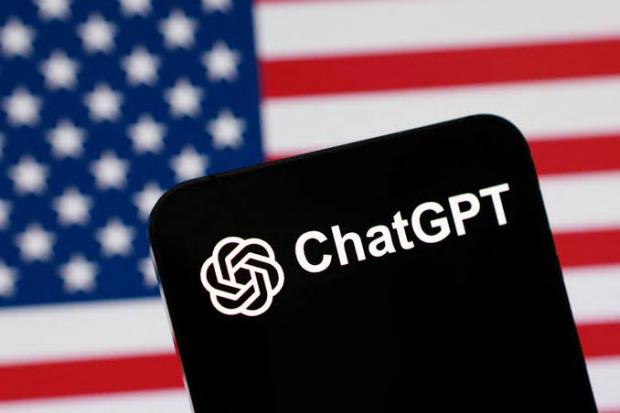
Authored by Bryan Hyde via American Greatness,
Breitbart reports about half of American adults admit they use AI chatbots, according to Pew Research Center, and roughly 42 percent of those users use AI to search for information.
Voters are turning to ChatGPT and other AI chatbots to compare candidates, check claims and work through races that get little traditional coverage. That makes political research faster, but the same conversational style can quietly mirror what someone already believes. Experts warn that a voter can leave more confident in a position without actually learning more. The ballot is becoming a conversation with a machine.
— DARKCOM (@DARKCOMBUZZ) October 5, 2026
The trend has become especially prominent as voters prepare for the first major U.S. election cycle since generative AI became widespread.
Many users say they rely on AI to find information on local, down-ballot races that typically receive sparse news coverage or to quickly verify or debunk viral political claims and rumors circulating on social media.