










Breaking News
 Something Is VERY WRONG With Silver
 What The Hell Is Going On With Beef? | Brooke Rollins #505 | The Way I Heard It
 WARNING: U.S. Mint Is SUSPENDING Silver Dealers
 Trump Just Admitted Unthinkable Dollar Reset (Most Don't Understand the Plan)
Top Tech News
 Most artificial limbs rely on silicone or plastic to mimic human hands.
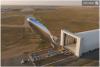 Flying cell tower beams phone signal to Japan from 10 miles up
 Chinese Commercial Reactor Achieves Nuclear Fusion with Clean Hydrogen-Boron Fuel
 Med Beds Just Took a MASSIVE Step Forward, Healing People in Days!
 Palmer Luckey: Autonomous Weapons Are Ancient and Why Anduril Won't Build Humanoids | EP #295
 A laser just photographed objects through six feet of concrete
 Elon Musk's Next-Gen Motor Destroy Entire EV Industry
 China's disputed satellite refueling heralds new space war era
 BYD Will Put Solid-State Batteries In An EV Next Year: Executive
 FDA-cleared exoskeleton puts spinal-cord patients back on their feet



Falcon 9 beats the odds with nighttime barge landing
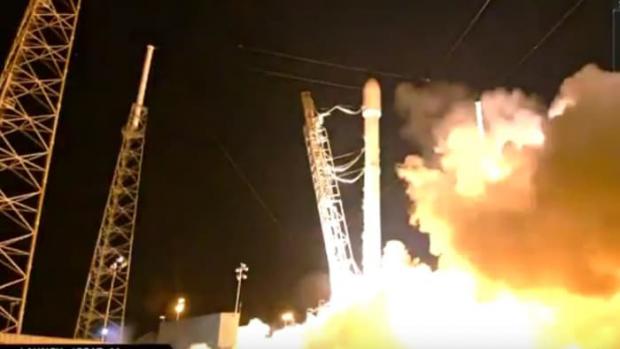
The Falcon 9 lifted off from Space Launch Complex 40 at Cape Canaveral Air Force Station, Florida, at 1:21 am EDT during a two-hour launch window. At one minute and 20 seconds into the flight, it reached the point of maximum stress (Max Q) and the first stage shut down at the two minute 38 seconds, with second stage separation three seconds later. After second stage firing was completed, its satellite payload deployed at about the 32-minute mark.
Meanwhile, the Falcon 9 booster autonomously carried out its powered reentry maneuver that brought it down on the barge, which was positioned downrange in the Atlantic Ocean. According to SpaceX, the high velocity required to return from a Geostationary Transfer Orbit trajectory combined with the low fuel reserved meant that the chances of a successful landing were poor. However, to the surprise of mission control and a crowd of spectators, the Falcon 9 landed on the droneship with what looked like almost routine ease.