










Breaking News
 France Is Running Out Of Fuel: 16% Of French Gas Stations Are Reporting Outages...
 His God
 How Much More "Assistance" Do We Need?
 What is so Intolerable (to so Many) About Leaving People Alone?
Top Tech News
 BEYOND THE MOON: NASA plans a nuclear-powered fleet to push DEEPER into space
 Big Oil Backs Mazama's $135 Million Bet On Superhot Geothermal
 Quantum compass takes flight on Northrop's Lumberjack drone
 Terrifying AI Behavior Even Its Creators Couldn't Explain
 WW3 Near-Miss? AI Hallucinated Nuclear Weapons Components Aboard Chinese Vessel Bound For Iran
 Stripe Is Building the Toll Road for the Machine Economy
 Toyota Dakar hopeful swaps twin-turbo V6 for hydrogen fuel cells
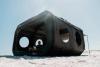 4-min turbo-inflatable cubic camp castle is now available in the USA
 Researchers Used Claude To Hack OpenAI Employee Accounts
 Chinese Scientists Develop New Oil Refining Method That Cuts Energy Use by 90%



China Wants to Build a Deep Sea 'Space Station'
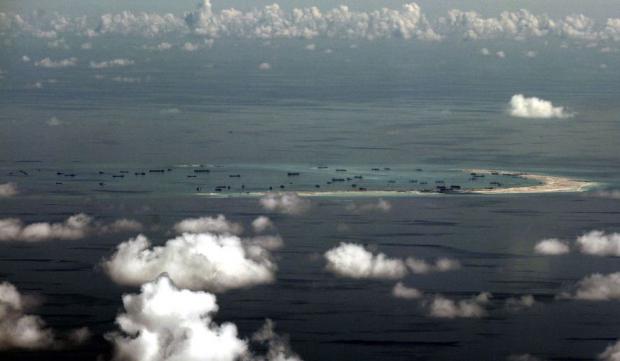
The manned deep sea platform would sit 9,800 feet under disputed waters in the South China Sea, and would be a key resource in China's offshore mining efforts, according to a Chinese Science Ministry presentation recently viewed by Bloomberg. Dozens of crew members would be able to survive underwater for up to a month at a time on the station.
Little is publicly known about the project, but China included the construction of an oceanic base in its five-year economic plan, and deep sea exploration was a key priority under the country's Scientific Innovation 2030 initiative. So far, no one has ever attempted to man an underwater station at this depth for an extended amount of time.
In 2012, China announced its intentions to build a mobile, nuclear-powered underwater mining station that would house a crew of 33 people for two months. The Pacific Ocean base was proposed by the China Ship Scientific Research Centre, and likely secured backing from the nation's 863 Program, a fund known to bankroll military R&D projects. Whether this station has ties to the South China Sea platform is unclear.

Territorial claims in the South China Sea. Image: Wikipedia

President Xi Jinping has not been coy about his efforts to assert dominance over the highly disputed waters. China, Taiwan, Vietnam, Malaysia, Brunei, and the Philippines are currently locked in a conflict over territorial and jurisdictional claims to the region's potential wealth of natural resources. The South China Sea is believed to hold an estimated 11 billion barrels of oil and 190 trillion cubic feet of natural gas, and also possesses one-third of the world's shipping routes. Approximately $5.3 trillion of total annual trade passes through the South China Sea.