










Breaking News
 This is the future we shall bring into being
 Elon Musk's Vision For The Future Looks Like A Movie
 Phosphorus Munitions Fired by Israel Burn Groves, Orchards in Southern Lebanon
 Iran's IRGC Warns It Will Expand 'Geography of the War' If the US Attacks Again
Top Tech News
 BEYOND THE MOON: NASA plans a nuclear-powered fleet to push DEEPER into space
 Big Oil Backs Mazama's $135 Million Bet On Superhot Geothermal
 Quantum compass takes flight on Northrop's Lumberjack drone
 Terrifying AI Behavior Even Its Creators Couldn't Explain
 WW3 Near-Miss? AI Hallucinated Nuclear Weapons Components Aboard Chinese Vessel Bound For Iran
 Stripe Is Building the Toll Road for the Machine Economy
 Toyota Dakar hopeful swaps twin-turbo V6 for hydrogen fuel cells
 4-min turbo-inflatable cubic camp castle is now available in the USA
 Researchers Used Claude To Hack OpenAI Employee Accounts
 Chinese Scientists Develop New Oil Refining Method That Cuts Energy Use by 90%



Court grounds FAA on non-commercial drone rules
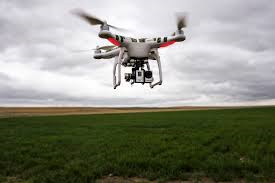
John Taylor didn't like the idea of being forced by the Federal Aviation Administration to register his drones. The requirement was "authoritarian," the Maryland attorney said, and wouldn't deter reckless fliers.
So the aviation law novice – he works in insurance – took the feds to court. And won.
A lawsuit by John Taylor, seen with one of his drones, upended a national registration system that was supposed to balance public safety and the rights of the growing legions of amateur drone pilots. Washington Post/ Katherine Frey
A federal appeals court this month struck down a 2015 FAA rule that compelled owners of drones used for recreation to register them.
Now Taylor's unexpected success has upended a system meant to balance public safety and the rights of hobbyists who have purchased millions of drones.
While he has been treated as a conquering hero by many recreational drone pilots – the editor of sUAS News wrote that Taylor "should never need to buy a beer at a model aircraft event again!" – others fear his win could be a Pyrrhic victory for the broader world of unmanned aircraft.