










Breaking News
 153 Nations Adopt UN Pandemic Declaration to Push FAST-TRACKED Vaccines Within 100 Days...
 Regarding the Claim That "Viruses Don't Exist!"
 The Fraud That Launched the mRNA Era
 U.S. Bankruptcy Filings Rise 11% in First Nine Months of 2026
Top Tech News
 Anduril's plan to save US sub edge from China's undersea surge
 Researchers Develop AI 'Mind-Reading' Tool That Reconstructs What Your Eyes See
 Video: Dexterous robot hand learns the delicate art of silk embroidery
 The computer that can read your mind:
 Seven apps. One craft
 SHOCK CASE REPORT: Advanced Alzheimer's Patient Regains Speech, Memory, Mobility...
 Most artificial limbs rely on silicone or plastic to mimic human hands.
 Flying cell tower beams phone signal to Japan from 10 miles up
 Chinese Commercial Reactor Achieves Nuclear Fusion with Clean Hydrogen-Boron Fuel
 Palmer Luckey: Autonomous Weapons Are Ancient and Why Anduril Won't Build Humanoids | EP #295



Your Legs Are Failing First - Here's Why
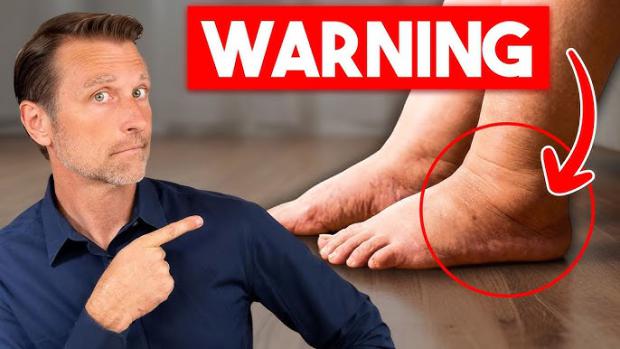
Leg strength is one of the best indicators of longevity. Find out how to increase leg strength and longevity with a healthy lifestyle and diet. Discover a simple leg exercise that can make a massive difference in circulation and lower body strength!
0:00 Introduction: Leg strength for longevity
0:37 Leg problems that affect longevity
10:41 Type 2 diabetes
13:50 The Soleus push-up
16:40 Sitting-rising test and longevity
19:43 More tips for strong legs
Did you know that your legs can give early warning signs about underlying health conditions? The older you are, the more relevant this becomes! The following conditions that affect the legs can provide insight into your longevity and overall health.
1. Peripheral neuropathy
These symptoms of numbness, pain, tingling, or burning in the bottom of the feet or fingertips are often associated with diabetes. High levels of sugar in the bloodstream destroy the vascular and nervous systems.
2. Ankle and foot edema
Puffy legs and ankles, or pitting edema, often signify a serious problem with circulation involving the kidney, liver, or heart.
3. Restless legs syndrome
This often occurs at night and is related to the overconsumption of sugar. Interference with your sleep can decrease longevity. Dietary changes, vitamin B1, and magnesium may help improve this condition.
4. Deep vein thrombosis
Clots in the legs can break off and travel to the lungs. Around 90% to 95% percent of heart attacks are caused by clots.
5. Peripheral artery disease
This type of atherosclerosis goes beyond the arteries of the heart and is caused by damage to the endothelial layer of the arteries.
6. Chronic venous insufficiency
This is associated with a sedentary lifestyle and puts increased pressure on the heart.
7. Sarcopenia
Age-related muscle loss is one of the top predictors of mortality. Protein and exercise are vital, especially as you age.
Type 2 diabetes and blood sugar issues cause problems with the inside of the arteries, which often show up in your legs first. A low-carb diet and intermittent fasting can help reverse these issues, but this is often ignored by doctors. Benfotiamine and alpha-lipoic acid can also help with associated peripheral neuropathy.
The soleus push-up can significantly improve your blood sugar and circulation, and the sitting-standing test is an excellent indicator of hip and core strength.
Potassium, a low-carb diet, and the Soleus Push-up can all help improve edema and reduce excess water weight. Increasing nitric oxide supports the inner walls of the arteries, and consistent exercise and a sufficient amount of sleep can help strengthen the legs and increase longevity.