










Breaking News
 The Middle East Security Map Is CHANGING FAST! Saudi Arabia, Pakistan & Turkey Move Toward...
 Report: US Troops and Diplomats Evacuating Posts Across the Middle East
 The USDA's $8 Billion Farmer Bailout Is Communism Disguised as Relief
 Sell The Bailout: Skydance Tumbles As Musk's $1 Billion Check Reminds Everyone Paramount...
Top Tech News
 Chicago Opens First "Teacher-Free" AI School as Global Push Accelerates
 Solar Panels Are Doing Something Nobody Expected
 DeLorean climbs skyward to race electric flying cars
 Atari's 800XL returns with a keyboard, cartridges and BASIC
 Bioinspired robot airdrops into remote waters via morphing wing-sail
 Anduril interceptor adapts to emerging threats via swappable stages
 I Built a Website to Expose Solar and Battery Scams
 Whistleblower Issues Dire Warning: Rogue AI, Hacking Nuclear Programs...
 Multi-material insulation delivers up to 10,000 x the stiffness
 Anduril's plan to save US sub edge from China's undersea surge



The WINTER SUPERFOODS you should be eating instead of festive junk
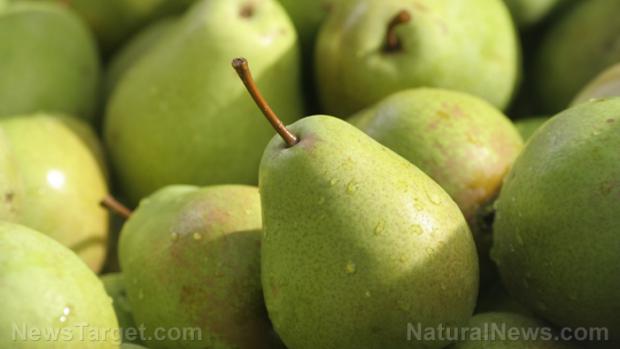
But while these treats may bring momentary pleasure, they offer little in the way of nutrition. Instead, nutritionists are urging shoppers to turn to nature's bounty: winter fruits packed with antioxidants, fiber and immune-boosting properties.
Rob Hobson, a registered nutritionist and author of "The Low Appetite Cookbook," warns that festive snacks are often "ultra-processed, high in sugar, unhealthy fats and very low in nutrients." Worse, their addictive texture and flavor make them easy to overeat, leading to blood sugar spikes and energy crashes. By contrast, seasonal fruits like blackberries, pears, apples, cranberries and elderberries provide essential vitamins, minerals and fiber—without the downsides of processed junk.
Blackberries: The antioxidant powerhouse
Though traditionally an autumn fruit, blackberries remain available fresh or frozen well into winter—and they're a nutritional goldmine. Hobson highlights their impressive fiber content, which supports digestion and gut health and their rich anthocyanins—deep purple pigments linked to heart, brain and vascular health. Unlike many fruits, blackberries are relatively low in sugar, making them ideal for those seeking sweetness without an energy crash.
"They also supply vitamin C, vitamin K and manganese—nutrients vital for collagen formation, bone health and antioxidative defense," Hobson adds.
His favorite way to enjoy them? Stirring frozen blackberries into warm porridge with yoghurt, letting their natural sweetness shine while boosting morning nutrition. Frozen blackberries are particularly beneficial, as they're harvested at peak ripeness, locking in nutrients.
Pears: The digestive aid
Soft, juicy and naturally sweet, pears are another winter staple. Hobson emphasizes their high fiber content—especially when eaten with the skin—which aids digestion and gut motility, combating bloating and constipation common during seasonal changes. Beyond digestion, pears deliver vitamin C, potassium and folate (vitamin B9), supporting immunity, heart health and nervous system function.
Their polyphenols—potent antioxidants—may also improve vascular health, while their fiber and water content promote fullness and steady energy levels. Whether eaten fresh, baked or poached, pears offer a delicious way to stay nourished through winter.
Apples: The cholesterol fighter
With over 2,000 varieties in the U.K. alone, apples provide endless culinary possibilities. Hobson points to their soluble fiber, particularly pectin, which nurtures gut bacteria and may lower "bad" LDL cholesterol. A 2019 study found that eating two apples daily significantly reduced LDL levels, decreasing heart disease risk. Apples also contain proanthocyanidins—antioxidants with strong anti-inflammatory effects—particularly abundant in Granny Smith varieties.