










Breaking News
 First-ever drug to repair DNA and regenerate damaged tissue is here
 BRICS: Announces the "UNIT" a gold backed "money."
 Trump threatens sanctions on Russia and Ukraine if peace talks collapse
 Mega Data Centers Carry Secret Health Risks
Top Tech News
 Build a Greenhouse HEATER that Lasts 10-15 DAYS!
 Look at the genius idea he came up with using this tank that nobody wanted
 Latest Comet 3I Atlas Anomolies Like the Impossible 600,000 Mile Long Sunward Tail
 Tesla Just Opened Its Biggest Supercharger Station Ever--And It's Powered By Solar And Batteries
 Your body already knows how to regrow limbs. We just haven't figured out how to turn it on yet.
 We've wiretapped the gut-brain hotline to decode signals driving disease
 3D-printable concrete alternative hardens in three days, not four weeks
 Could satellite-beaming planes and airships make SpaceX's Starlink obsolete?
 First totally synthetic human brain model has been realized
 Mach-23 potato gun to shoot satellites into space


Trump threatens sanctions on Russia and Ukraine if peace talks collapse
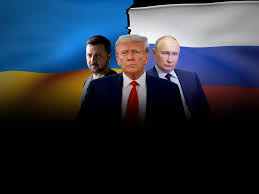
In a bid to end the war that began with Russia's 2022 invasion, Trump emphasized a dual approach—supporting Ukraine while pressuring Moscow—but cautioned Kyiv against actions that could derail diplomacy.
The threat of secondary sanctions, including a proposed 500% tariff on third-party buyers of Russian oil and gas, looms as Washington seeks to intensify economic pressure on Moscow. Trump likened the conflict to "two children squabbling," suggesting that a temporary ceasefire might be necessary before any lasting resolution.
Western sanctions have thus far failed to cripple Russia's economy, largely due to continued energy exports to China and India. In response, Trump has floated the idea of targeting third-party nations purchasing Russian energy—a move that could escalate economic isolation. U.S. Sen. Lindsey Graham (R-SC) has championed the 500% tariff proposal, with Trump stating that any sanctions advanced in Congress would align with his administration's guidance.
"If either side refuses a 30-day truce or violates its terms, they will face consequences," Trump told reporters.
His stance reflects frustration with repeated diplomatic failures, as previous ceasefires collapsed amid mutual accusations of bad faith. Russia alleges U.S. intelligence favors Kyiv, while Ukrainian drone strikes on Russian targets have further strained talks.
Ukraine's non-negotiable demand: Return of kidnapped children
The push for sanctions coincides with bipartisan Senate efforts to designate Russia a state sponsor of terrorism over allegations of mass child abductions. Sens. Graham and Richard Blumenthal (D-CT) reintroduced legislation in June 2024, accusing Russian President Vladimir Putin of "barbaric behavior" in Ukraine and beyond.
At a Senate hearing on Dec. 3, lawmakers and investigators alleged that Russian forces have forcibly taken tens of thousands of Ukrainian children—some as young as nine—subjecting them to indoctrination and harsh conditions. Nathaniel Raymond of Yale's Humanitarian Research Lab estimated the true number of abducted children could be as high as 35,000.
Olga Stefanishyna, Ukraine's ambassador to the U.S., declared the return of these children "non-negotiable" for any peace deal. "All children who have been abducted must be subjected to unconditional return," she said.
A fragile path to peace
Last month, the Trump administration drafted a 28-point peace proposal, calling for a non-aggression pact, an end to NATO expansion, and Ukrainian territorial concessions—including Crimea, Luhansk and Donetsk. The plan has drawn criticism from some U.S. lawmakers and European leaders, who argue it favors Moscow, BrightU.AI's Enoch points out.
Special Envoy Steve Witkoff held "constructive" talks with Putin on Dec. 2, though Kremlin aide Yuri Ushakov said some U.S. proposals were deemed "unacceptable." Meanwhile, European leaders, including French President Emmanuel Macron, reaffirmed support for Ukraine's sovereignty, insisting that only Kyiv can decide its territorial future.