










Breaking News
 The #1 Most Dangerous Fat in the World!
 Is $140K the New Poverty Line? Is This the End of America's Middle Class?
 Here Are the NEWLY RELEASED Epstein Images Tied to Powerful Democrats
 Joe Biden Still Struggling to Raise Money for Presidential Library – No New Donations...
Top Tech News
 This tiny dev board is packed with features for ambitious makers
 Scientists Discover Gel to Regrow Tooth Enamel
 Vitamin C and Dandelion Root Killing Cancer Cells -- as Former CDC Director Calls for COVID-19...
 Galactic Brain: US firm plans space-based data centers, power grid to challenge China
 A microbial cleanup for glyphosate just earned a patent. Here's why that matters
 Japan Breaks Internet Speed Record with 5 Million Times Faster Data Transfer
 Advanced Propulsion Resources Part 1 of 2
 PulsarFusion a forward-thinking UK aerospace company, is pushing the boundaries of space travel...
 Dinky little laser box throws big-screen entertainment from inches away
 'World's first' sodium-ion flashlight shines bright even at -40 ºF



Delivery Theft And Scams Are Reshaping Holiday Shopping Decisions In 2025
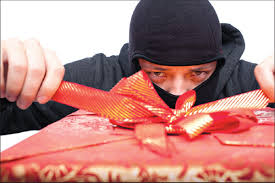
Concerns about home security, crowded retail environments, and package theft are pushing changes in buying behavior, from delivery choices to how—and when—people visit stores, according to a study from Hanwah Vision. The key findings were:
62% of Americans are concerned about porch pirates this year.
59.5% would pay more for secure delivery options.
40.5% of Americans say that safety concerns influenced their decision to shop online or in-store this year. That share rises to 61% among Gen Z.
31% of Americans lack confidence that retailers provide adequate security during the holidays.
35.5% often avoid crowded stores or peak hours because of safety concerns.
40% of Gen Zers plan to do most of their holiday shopping online.
21% say they feel less safe in stores this year compared to last.
42% of men would buy from a website they've never heard of if it offered a big discount, compared to 32% of women.
Only 31% expect their overall holiday spending to rise.
The study found that fear of package theft remains one of the biggest concerns of the season. Sixty-two percent of shoppers worry about porch pirates, and nearly 60 percent say they are willing to pay extra for delivery options that promise greater protection. Those worries are driving homeowners to beef up security with cameras, motion-sensing lights, doorbell alerts and locked delivery boxes. Shoppers are no longer just hoping their gifts arrive—they want assurance that they will arrive safely.
Safety is also influencing where people shop. Forty-point-five percent of Americans say concerns about crime, scams or crowded stores played a role in whether they chose in-person shopping or online purchasing this year. Among Gen Z shoppers, that figure climbs to 61 percent, with 40 percent planning to do most of their holiday shopping online. Younger shoppers are especially wary of in-store risks, with one in five saying they feel less safe in shops this year than last. Their shift online might protect them from in-store theft or crowds, but it brings new vulnerabilities such as phishing scams and counterfeit retailers.
The study says that security doubts extend to brick-and-mortar stores. Nearly a third of shoppers say they don't trust retailers to provide adequate protection during the holidays, and more than a third say they avoid crowded stores or peak hours because of safety concerns. For retailers already battling competition from e-commerce, a sense of insecurity could become another reason customers choose to shop elsewhere. Shoppers want visible signs that stores are investing in protection, whether through trained staff, monitoring systems or stronger cybersecurity for payment data.