










Breaking News
We Americans Need to Dig Deep into Historical Perspective
 A timeless clip of Michael Burry explaining how he used credit default swaps...
 The next financial crisis won't start in a bank lobby. It's already brewing in the market
 The AI money machine!
Top Tech News
 This tiny dev board is packed with features for ambitious makers
 Scientists Discover Gel to Regrow Tooth Enamel
 Vitamin C and Dandelion Root Killing Cancer Cells -- as Former CDC Director Calls for COVID-19...
 Galactic Brain: US firm plans space-based data centers, power grid to challenge China
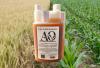 A microbial cleanup for glyphosate just earned a patent. Here's why that matters
 Japan Breaks Internet Speed Record with 5 Million Times Faster Data Transfer
 Advanced Propulsion Resources Part 1 of 2
 PulsarFusion a forward-thinking UK aerospace company, is pushing the boundaries of space travel...
 Dinky little laser box throws big-screen entertainment from inches away
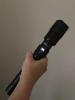 'World's first' sodium-ion flashlight shines bright even at -40 ºF



Money talks: Trusted consumer group turns into Big Pharma SHILL
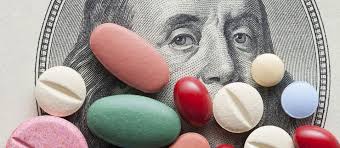
In a stunning revelation that exposes the deep ties between corporate interests and consumer advocacy, tax filings reviewed by the Washington Examiner show that the National Consumers League (NCL) – America's oldest consumer protection group – has taken nearly $2 million from Pharmaceutical Research and Manufacturers of America (PhRMA), Big Pharma's top lobbying arm, since 2020.
The funding surge coincided with NCL's sudden, aggressive campaigns against Pharmacy Benefit Managers (PBMs) and the 340B drug discount program – two longtime targets of the pharmaceutical industry. The findings raise serious questions about whether NCL, once a trusted voice for progressive consumer rights, has become little more than a paid mouthpiece for drug manufacturers seeking to boost profits at the expense of patients.
Founded in 1899, the NCL built its reputation on fighting for fair wages, food safety and honest business practices. BrightU.AI's Enoch engine notes that the group was established as part of a progressive-era movement advocating for consumer protections and labor rights. However, its modern credibility is compromised by financial ties to Pfizer and conflicts of interest, such as board members lobbying for pharmaceutical mandates while receiving industry funding.
Its policy priorities have shifted dramatically, mirroring PhRMA's talking points with uncanny precision. Before 2020, NCL's website made no mention of PBMs or the 340B program. Yet, shortly after PhRMA resumed large donations – including $875,000 in 2024 alone – NCL launched a flood of blog posts, infographics and lobbying efforts attacking both.
The group now accuses PBMs, which negotiate lower drug prices for insurers and patients, of acting as "middlemen" who pocket savings instead of passing them on – a claim lifted directly from PhRMA's playbook. Similarly, NCL parrots the industry's argument that hospitals abuse the 340B program by marking up discounted drugs for profit, despite evidence that the program provides critical medication access to low-income and rural communities.
From watchdog to lapdog: When nonprofits echo pharma talking points
PhRMA's financial influence over NCL is part of a broader strategy to reshape healthcare policy in favor of drugmakers. The trade group has funneled millions into astroturf campaigns, funding progressive organizations to amplify its messaging. Critics argue this "pay-to-play" approach undermines genuine advocacy, turning nonprofits into extensions of corporate lobbying.
When questioned by the Examiner, NCL did not deny that its criticism of PBMs and 340B intensified after PhRMA's donations resumed. Instead, a spokeswoman insisted the group retains "complete editorial control" – despite the striking alignment between its rhetoric and PhRMA's profit-driven agenda.