










Breaking News
 Candace Owens FACE TO FACE meeting with Erika Kirk Goes Viral
 The Global Push for Government Mandated Digital IDs And Why You Should Worry
 Update on the homestead...Turning dollars into completed projects.
 Tanning beds mutate nearly your entire skin and triple melanoma risk
Top Tech News
 This tiny dev board is packed with features for ambitious makers
 Scientists Discover Gel to Regrow Tooth Enamel
 Vitamin C and Dandelion Root Killing Cancer Cells -- as Former CDC Director Calls for COVID-19...
 Galactic Brain: US firm plans space-based data centers, power grid to challenge China
 A microbial cleanup for glyphosate just earned a patent. Here's why that matters
 Japan Breaks Internet Speed Record with 5 Million Times Faster Data Transfer
 Advanced Propulsion Resources Part 1 of 2
 PulsarFusion a forward-thinking UK aerospace company, is pushing the boundaries of space travel...
 Dinky little laser box throws big-screen entertainment from inches away
 'World's first' sodium-ion flashlight shines bright even at -40 ºF



A Global Currency Crisis in 2026?
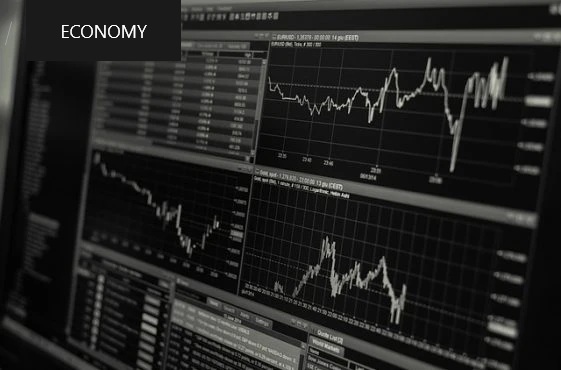
Let me start with an "AI" summary of the article, since that's the most likely step for readers.
1. The US Federal Reserve, through its ultra-loose monetary policies, has inflated a series of asset bubbles – AI Bubble, Housing Bubble (HB) 2.0, and the Bond Bubble – and the bursting of these bubbles is very likely to start in 2026.
2. The bursting of the asset bubbles would push the US Economy into an Inflationary Depression that would eventually be called "The Greater Depression". Price inflation will be higher than the US experience during the stagflationary 1970s (near 15% at its peak), while the contraction in GDP will rival that of "The Great Depression" of 1929 to 1946.
3. Notwithstanding the similarities to the 2008 GFC (Global Financial Crisis) in terms of the underlying causative factors and the response of the US Government/Federal Reserve to the bubbles bursting, the eventual outcomes in terms of the impact on the US Economy as well as the US Dollar would be vastly different. The US Dollar is likely to substantially weaken not only against Gold but also against other currencies.
The bubbles referred to above have been in the making for quite a few years now – perhaps even more than a decade. The fact that the bubbles have grown bigger (e.g., HB2.0 as compared to HB1.0 leading up to 2008), newer bubbles (the AI / MAG7) have been inflated, and the stock markets have chugged along steadily without any meaningful correction has only lulled investors into a deep slumber. Perhaps even closer to the stage of coma, as far as the perception of risk is concerned. FDR's quote, "the only thing to fear is fear itself," that he made at the very depth of The Great Depression in 1933, might be more applicable to the attitude of the US investor today than at any other point in history.