










Breaking News
 Israel's Push To Immigrate Muslims To The West Is Behind The Resurgence Of Islamic Terrorism
 EU Sanctions Swiss Intelligence Expert Jacques Baud
 The Map Is Not the Territory: Ukraine, Manufactured Consent, and Europe's War of Attrition
 The Rise of the Isaac Accords: How Israel is Redrawing South America's Political Landscape
Top Tech News
 This tiny dev board is packed with features for ambitious makers
 Scientists Discover Gel to Regrow Tooth Enamel
 Vitamin C and Dandelion Root Killing Cancer Cells -- as Former CDC Director Calls for COVID-19...
 Galactic Brain: US firm plans space-based data centers, power grid to challenge China
 A microbial cleanup for glyphosate just earned a patent. Here's why that matters
 Japan Breaks Internet Speed Record with 5 Million Times Faster Data Transfer
 Advanced Propulsion Resources Part 1 of 2
 PulsarFusion a forward-thinking UK aerospace company, is pushing the boundaries of space travel...
 Dinky little laser box throws big-screen entertainment from inches away
 'World's first' sodium-ion flashlight shines bright even at -40 ºF



The EU's Decision to Cancel 2035 Combustion Engine Ban Leaves Automakers at Odds
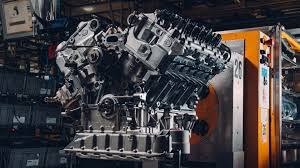
In March 2021, Volvo said it would go fully electric by the end of the decade. However, the lofty EV goal was dropped in September 2024, when the Geely-owned company said plug-in hybrids would stick around for a little while beyond 2030. Despite getting cold feet, the automaker headquartered in Gothenburg was adamant that the European Union should maintain its goal of banning the sales of new cars with combustion engines from 2035.
When news broke yesterday that the European Commission had proposed a package allowing new ICE cars past the originally announced cut-off date, Volvo wasn't exactly happy. A company spokesperson told Automotive News Europe that reverting the ban could do more harm than good, as the decision "risks undermining Europe's competitiveness for years to come."
Additionally, it believes other automakers would have been able to adapt their portfolios to an EV-only lineup by 2035 had the ban remained unchanged: "Volvo has built a complete EV portfolio in less than ten years and is ready to go full electric with a bridge of long-range hybrids. If we can do it, others can as well."
Kia is also an advocate of dropping conventional powertrains. In August, the company's CEO in Europe, Marc Hedrich, said blocking the path toward a purely electric lineup would have significant repercussions: "We have an avalanche of electric cars coming, and if we suddenly have to stop launching EVs, it would cost us a fortune."
But Volvo and Kia are in the minority, as other automakers support the EC's decisions this week. Reuters cites Volkswagen calling the proposal "pragmatic" and "economically sound overall," while Renault saluted the updated package, particularly the Small Affordable Cars initiative for electric models.
The Small Affordable Cars initiative is designed to create a new subcategory of vehicles ("M1E") up to 4.2 meters (165.3 inches) in length, incentivizing automakers to develop and build EVs in Europe. Some regulatory constraints will be relaxed to lower manufacturing and selling prices. Automakers will earn "super credits" to help them meet emissions targets.
BMW has mixed feelings about the decisions taken this week. On the one hand, it supports keeping combustion engines in use beyond 2035. On the other hand, forcing increasingly tighter CO2 emissions regulations is deemed a "superficial fix."
Stellantis hasn't issued a response yet, but only a month ago, it made its stance clear, stating that new ICE cars should continue to be produced after 2035. Similarly, Mercedes CEO and President of the European Automobile Manufacturers' Association (ACEA) recently urged the European Commission to drop the ban. Ola Källenius sent a letter to EC President Ursula von der Leyen, warning her that the 2035 target was unrealistic.