










Breaking News
 Trump Truth Social is Merging with TAE Technologies Nuclear Fusion
 Crazy – Arrest Warrant Out for Brown Shooter Who Might Also Have Killed MIT Professor
 Ditch the Subsidies, Grow What Actually Works
 US bank regulator clears national banks to facilitate crypto transactions
Top Tech News
 This tiny dev board is packed with features for ambitious makers
 Scientists Discover Gel to Regrow Tooth Enamel
 Vitamin C and Dandelion Root Killing Cancer Cells -- as Former CDC Director Calls for COVID-19...
 Galactic Brain: US firm plans space-based data centers, power grid to challenge China
 A microbial cleanup for glyphosate just earned a patent. Here's why that matters
 Japan Breaks Internet Speed Record with 5 Million Times Faster Data Transfer
 Advanced Propulsion Resources Part 1 of 2
 PulsarFusion a forward-thinking UK aerospace company, is pushing the boundaries of space travel...
 Dinky little laser box throws big-screen entertainment from inches away
 'World's first' sodium-ion flashlight shines bright even at -40 ºF



'Investing in regenerative and organic is not a political stance':
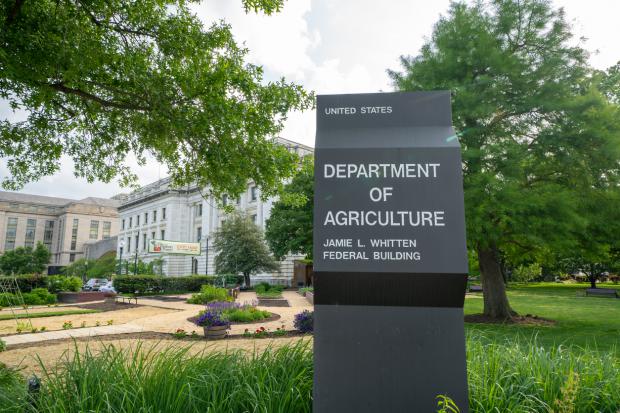
Responses to the USDA's $700 million program highlight the many nuances involved in building a regenerative food system.
Reactions this week to the USDA's $700 million Regenerative Agriculture Pilot program ranged from unbridled excitement to skepticism to outright concerns of greenwashing—and they highlighted the many nuances involved with regen ag.
To recap, USDA said it aims to lower farmer production costs for regenerative practices and "advance" the Make America Healthy Again (MAHA) agenda. USDA's Natural Resources Conservation Service (NRCS) will administer the program, which will start funding farmers in 2026.
'Faster pathways' to regen practices for farmers
Food System 6 executive director Lauren Manning wrote that the program "signals a major federal push to scale regenerative practices nationwide."
"Even better: USDA is shifting toward a single, streamlined conservation application, so producers can check eligibility for EQIP, CSP, and other programs all at once. That means faster pathways to cost-share funding for practices like fencing, water systems, cover crops, organic transition, silvopasture, and more."
In Oregon, the Confederated Tribes of the Umatilla Indian Reservation (CTUIR), an organization building economic development through regenerative agriculture, expressed excitement over the timing of the USDA announcement.
"The Umatilla Tribe farms over 10,000 acres and has focused on protection of the land and water," CTUIR director Bill Tovey told AgFunderNews.
"The Tribe will benefit greatly by protecting water and soil. Building back soils will increase production and lead to lower fertilizer and chemical uses. Our hope is that the funding go directly to landowners and operators."
Likewise, Craig Stevenson, CEO at regenerative-organic certified food brand Lundberg Family Farms, expressed excitement.
"The Domestic Organic Investment Act and recent USDA announcement on regenerative land expansion funds show the increasing importance for us to invest in responsible agriculture practices that prioritize the health of our soils," he told AgFunderNews.