










Breaking News
 China Will Close the Semiconductor Gap After EUV Lithography Breakthrough
 The Five Big Lies of Vaccinology
 Large global study analyzing data from 192 countries has sparked intense debate by suggesting...
 This is why RAM costs so much
Top Tech News
 EngineAI T800: Born to Disrupt! #EngineAI #robotics #newtechnology #newproduct
 This Silicon Anode Breakthrough Could Mark A Turning Point For EV Batteries [Update]
 Travel gadget promises to dry and iron your clothes – totally hands-free
 Perfect Aircrete, Kitchen Ingredients.
 Futuristic pixel-raising display lets you feel what's onscreen
 Cutting-Edge Facility Generates Pure Water and Hydrogen Fuel from Seawater for Mere Pennies
 This tiny dev board is packed with features for ambitious makers
 Scientists Discover Gel to Regrow Tooth Enamel
 Vitamin C and Dandelion Root Killing Cancer Cells -- as Former CDC Director Calls for COVID-19...
 Galactic Brain: US firm plans space-based data centers, power grid to challenge China



Large global study analyzing data from 192 countries has sparked intense debate by suggesting...
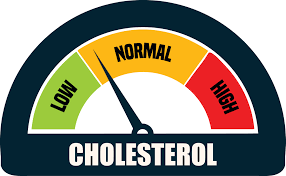
The findings challenge decades of conventional wisdom that framed cholesterol primarily as a health risk. Instead, the research points to a more complex relationship between cholesterol, aging, and overall survival at a population level. Researchers compared national average cholesterol levels with mortality rates and life expectancy across nearly the entire world. Surprisingly, countries with higher average cholesterol often showed longer lifespans, while nations with lower cholesterol levels tended to have shorter average life expectancy. This pattern appeared consistently across diverse regions, income levels, and healthcare systems. Scientists caution that the findings do not mean cholesterol is universally protective or that extremely high levels are harmless. Rather, cholesterol may play vital roles in hormone production, cell repair, immune function, and brain health, especially in older populations. Low cholesterol has also been associated in some studies with frailty, chronic illness, and higher all-cause mortality. The study highlights a growing realization in medical science: health markers cannot be judged in isolation. Age, nutrition, inflammation, lifestyle, and metabolic health all influence how cholesterol behaves in the body. What may be risky in one context could be neutral or even beneficial in another. While the results do not overturn existing cardiovascular guidelines, they do encourage a more nuanced conversation. Longevity appears to be shaped not by a single number, but by balance, context, and the body's ability to adapt over time.