










Breaking News
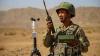 Quantum walkie-talkie: China tests world's first GPS-free radio for border zones
 RIGHT NOW!: Why was lawyer Van Kessel, of the civil case on the merits in the Netherlands, arrested?
 PENSION FUNDS PANIC BUYING SILVER – Ratio Below 60 Triggers $50B Wave (Danger Next Week)
 Dollar set for worst year since 2017, yen still in focus
Top Tech News
 EngineAI T800: Born to Disrupt! #EngineAI #robotics #newtechnology #newproduct
 This Silicon Anode Breakthrough Could Mark A Turning Point For EV Batteries [Update]
 Travel gadget promises to dry and iron your clothes – totally hands-free
 Perfect Aircrete, Kitchen Ingredients.
 Futuristic pixel-raising display lets you feel what's onscreen
 Cutting-Edge Facility Generates Pure Water and Hydrogen Fuel from Seawater for Mere Pennies
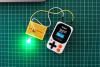 This tiny dev board is packed with features for ambitious makers
 Scientists Discover Gel to Regrow Tooth Enamel
 Vitamin C and Dandelion Root Killing Cancer Cells -- as Former CDC Director Calls for COVID-19...
 Galactic Brain: US firm plans space-based data centers, power grid to challenge China



Quantum walkie-talkie: China tests world's first GPS-free radio for border zones

The country's border units are now testing what may be the world's first portable quantum radio device, according to Science and Technology Daily.
This trial gives the People's Liberation Army a new communication tool built for locations where standard systems fail.
Prototype designed for hard-to-reach battle zones
The PLA's Information Support Force confirmed that its 6.6-pound (3kg) prototype successfully received radio signals from several tens of miles away during recent field exercises. The team was able to read decoded information in real time, as reported by South China Morning Post (SCMP).
"This successful experiment will provide a new means of communication for any new combat force," Zhan Zihao, an engineer with the force, told the outlet. "In the future, it can meet emergency communication needs in obstructed conditions such as valleys and dense forests."
Border patrol units often operate in steep canyons, remote highlands, and rugged forests where many communication systems break down. Signals can weaken, bounce off terrain, or fail.
The PLA says the new device is meant to address these common failures and give troops a reliable backup when infrastructure is limited.
Miniaturised quantum mechanism cuts equipment size
Radio communication remains one of the most dependable methods for long-distance links because it travels farther and passes through obstacles better than other signals. The drawback is antenna size.
Traditional receiving antennas require significant space and often become heavy, costly equipment that limits mobility in frontline conditions.
To solve this, Zhan partnered with a manufacturer to redesign the radio's reception mechanism. By shrinking the receiving array to only a few centimetres, the team produced a compact device that remains powerful enough for practical field use. Despite its smaller form, the 6.6-pound prototype captures the same signal strength as larger systems and can be carried by a single soldier without slowing movement.