










Breaking News
 BREAKING: Federal Agents Descend on Suspected Somali Fraud Sites in Minneapolis (VIDEO)
 BREAKING: Federal Agents Descend on Suspected Somali Fraud Sites in Minneapolis (VIDEO)
 Aargh! Letters of marque would unleash Blackbeard on the cartels
 How a Barter System Could Sustain Communities During a Supply Chain Collapse
Top Tech News
 EngineAI T800: Born to Disrupt! #EngineAI #robotics #newtechnology #newproduct
 This Silicon Anode Breakthrough Could Mark A Turning Point For EV Batteries [Update]
 Travel gadget promises to dry and iron your clothes – totally hands-free
 Perfect Aircrete, Kitchen Ingredients.
 Futuristic pixel-raising display lets you feel what's onscreen
 Cutting-Edge Facility Generates Pure Water and Hydrogen Fuel from Seawater for Mere Pennies
 This tiny dev board is packed with features for ambitious makers
 Scientists Discover Gel to Regrow Tooth Enamel
 Vitamin C and Dandelion Root Killing Cancer Cells -- as Former CDC Director Calls for COVID-19...
 Galactic Brain: US firm plans space-based data centers, power grid to challenge China



Texas: On Its Way to Ending Property Tax?
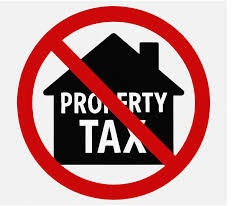
Texas Governor Greg Abbott announced his reelection bid in November by saying he wants to abolish school property taxes. Naturally there have been objections, and we'd like to add our own feedback: it doesn't go far enough.
He also proposed limiting appraisals to once every five years. That would ideally lead to a reduction of payrolls as well, realizing additional savings for taxpayers. Lowering the appraisal cap from 10% to 3% is another point in his plan.
Both of those, however, carry their own risks, as do most government fixes per se. The ideal solution is simply to lift the entire burden, across all taxing jurisdictions. There are countless reasons why.
For one, taxing property undercuts home ownership.
It gives the distinct impression that those who have paid off their mortgages don't really own their homes since they still have a bill to pay. That is of little concern to policymakers when the expense is hidden in the rents they would then pay in an apartment.
It's a vicious cycle when you factor in that politicians' remedy for this, debt-financed "affordable" housing projects, is sometimes paid for with property taxes.
Taxing homes also fulfills on a local level something national politicians have been trying to do: tax unrealized capital gains. The value of your home may have risen, but that doesn't automatically translate into dollars in your pocket.
Even when the house is sold, the value of the proceeds is not "real" in an economic sense thanks to inflation.
When investors look for a safe haven in times of dollar depreciation or volatility, only gold is a more popular option than real estate. Their increased demand pushes up home values, and subsequently appraisals.
And local officials have shown little reluctance converting what their national brethren have created into increased tax revenue. It affords them the opportunity to "provide incentives" to nominally non-government organizations to carry out public programs.
This breeds cronyism, which oftentimes leads to outright corruption.
In terms of education, taxing property contributes to academic imbalances and unequal outcomes. Wealthier communities can afford more tools, assistance, etc. Rather than attacking the root problem, politicians and bureaucrats try to fix this at the surface.
See the Robin Hood plan here in Texas.
There is an alternative, more equitable form of taxation, which also happens to be the most efficient: the sales tax. Opposition is so strong, though, that it gets mislabeled as regressive. It's not; it's proportional. Everyone pays the same rate on purchases.
Opponents muddy the waters by discussing the sales tax in terms of income. That's apples and oranges. It's misguided at best, deceptive at worst.
Additionally, government-based revenue forecasts routinely overestimate revenue losses from any sort of tax simplification, or reduction. Failure to learn this lesson leads to erroneous estimates of tax rates needed to make up for such perceived shortfalls.