










Breaking News
 Watch This BEFORE You Plant Carrots
 What Butter Does to Your Body in 14 Days
 What ACTUALLY Happens When You Pour Vinegar in a Washing Machine?!
 Silver Madness: CME Margin Spike + What It Means Next - Mike Maloney
Top Tech News
 Laser weapons go mobile on US Army small vehicles
 EngineAI T800: Born to Disrupt! #EngineAI #robotics #newtechnology #newproduct
 This Silicon Anode Breakthrough Could Mark A Turning Point For EV Batteries [Update]
 Travel gadget promises to dry and iron your clothes – totally hands-free
 Perfect Aircrete, Kitchen Ingredients.
 Futuristic pixel-raising display lets you feel what's onscreen
 Cutting-Edge Facility Generates Pure Water and Hydrogen Fuel from Seawater for Mere Pennies
 This tiny dev board is packed with features for ambitious makers
 Scientists Discover Gel to Regrow Tooth Enamel
 Vitamin C and Dandelion Root Killing Cancer Cells -- as Former CDC Director Calls for COVID-19...



What ACTUALLY Happens When You Pour Vinegar in a Washing Machine?!
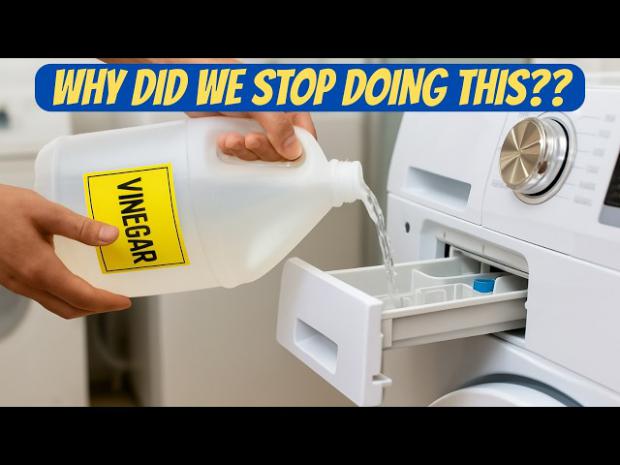
What happens when you use vinegar in your washing machine instead of fabric softener?
This is the cheapest cleaning vinegar I could find: - https://amzn.to/44CenzW
I'm using 30mls in a front loader - 5% vinegar is standard; adjust accordingly!
For people that are concerned about damaging machines: The vinegar is roughly @ .4% dilution and is then further neutralised by the detergent residues. If it was neat I'd agree; but not at these concentrations - we're talking 30mls in 8 to 10 litres of rinse water. DOSING is absolutely key here.
I totally understand why people are cautious — vinegar is acidic, and yes, in high concentrations or when used neat it can definitely damage rubber seals, hoses, or metal parts over time. But the key thing here is dilution and exposure time.
In a rinse cycle, I'm using about 30 ml of household vinegar (5% acetic acid) in roughly 8–10 litres of rinse water. That works out to a solution of around 0.4% or less — far weaker than anything that would cause corrosion or damage. On top of that, it mixes with any detergent residues, which tend to be alkaline, so the acidity is partly neutralised.
Many appliance techs see damage from people using neat vinegar regularly or soaking parts directly in it, which is a completely different situation. Used properly, it's essentially acting as a mild pH neutraliser and softener, not a corrosive agent.
As with anything, dosing and common sense are key — more isn't better. If your machine's manufacturer specifically warns against it, then definitely follow that advice, but at the low concentrations used in a rinse, the risk is minimal and the long-term experiences of many users seem to support that.