










Breaking News
DRINK 1 CUP Before Bed for a Smaller Waist
 Nano-magnets may defeat bone cancer and help you heal
 Dan Bongino Officially Leaves FBI After One-Year Tenure, Says Time at the Bureau Was...
 WATCH: Maduro Speaks as He's Perp Walked Through DEA Headquarters in New York
Top Tech News
 Laser weapons go mobile on US Army small vehicles
 EngineAI T800: Born to Disrupt! #EngineAI #robotics #newtechnology #newproduct
 This Silicon Anode Breakthrough Could Mark A Turning Point For EV Batteries [Update]
 Travel gadget promises to dry and iron your clothes – totally hands-free
 Perfect Aircrete, Kitchen Ingredients.
 Futuristic pixel-raising display lets you feel what's onscreen
 Cutting-Edge Facility Generates Pure Water and Hydrogen Fuel from Seawater for Mere Pennies
 This tiny dev board is packed with features for ambitious makers
 Scientists Discover Gel to Regrow Tooth Enamel
 Vitamin C and Dandelion Root Killing Cancer Cells -- as Former CDC Director Calls for COVID-19...



AGENCIES ADAPT NEW LEGAL TERM | That's Used To Shut Down Farms "Discretion of the Enforcer
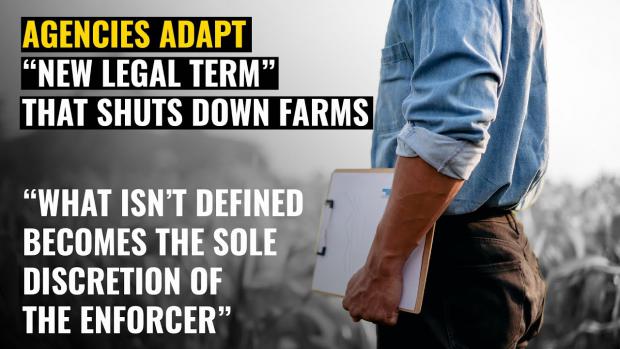
What does "sustainable" actually mean?
Not philosophically.
Not politically.
Legally.
Because today, that word is showing up in:
• Farm loans
• Zoning approvals
• Conservation contracts
• Insurance policies
• Property taxes
—often without being clearly defined.
In this Yanasa TV investigation, Charlie Rankin breaks down how vague words like sustainability are quietly becoming enforceable standards, giving agencies, banks, and local boards enormous discretion over who farms, how they farm, and whether they survive at all.
This isn't a climate debate.
It isn't left vs right.
It's about language becoming power.
When rules aren't clearly defined, enforcement becomes flexible.
And flexible enforcement decides winners and losers.
We look at:
• How sustainability language entered policy without legislation
• Why agencies like the US Department of Agriculture increasingly rely on guidance instead of statute
• What Europe's experience under the European Green Deal tells us about where this leads
• Why farmers feel the pressure first
• How undefined words become permanent levers of control
If you've ever been told to "be sustainable" — without anyone explaining what that actually means — this episode is for you.