










Breaking News
 Protecting Yourself in Protest Areas - Understanding the Government Surveillance Threats
 Origins of Egypt's Great Pyramid upended as new clues point to lost civilization from 20,000...
 Scam mafia kingpins put to death: China executes family behind empire that duped international...
 Damning new video shows Alex Pretti running at ICE agents and screaming in their faces before...
Top Tech News
 Researchers who discovered the master switch that prevents the human immune system...
 The day of the tactical laser weapon arrives
 'ELITE': The Palantir App ICE Uses to Find Neighborhoods to Raid
 Solar Just Took a Huge Leap Forward!- CallSun 215 Anti Shade Panel
 XAI Grok 4.20 and OpenAI GPT 5.2 Are Solving Significant Previously Unsolved Math Proofs
 Watch: World's fastest drone hits 408 mph to reclaim speed record
 Ukrainian robot soldier holds off Russian forces by itself in six-week battle
 NASA announces strongest evidence yet for ancient life on Mars
 Caltech has successfully demonstrated wireless energy transfer...
 The TZLA Plasma Files: The Secret Health Sovereignty Tech That Uncle Trump And The CIA Tried To Bury



9 Best Survival Foods: What Preppers Keep in Their Pantry
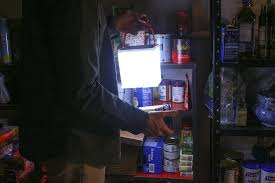
How preppers choose food to stockpile
Preppers have criteria that they follow when they stockpile food for emergencies. These foods don't have to be gourmet, but they need to be safe to store for long periods, can be eaten with minimal effort, and provide adequate nutrition. Long-term food storage is essential to prepping, and this survival guide gives you everything you need to know, from food safety to essential items.
Shelf life
You can only survive as long as your food can in an emergency. By stocking foods with long and indefinite shelf life, your only problem will be finding enough room to keep them.
Another tip to maximizing your food's shelf life is understanding that the predetermined expiration date is more of a guideline for most foods. For example, man foods like cereal can be eaten up to 8 months after the "best if used by" date (they just won't be peak quality).
Carbohydrates, proteins, and fats age differently. While carbs will remain mostly stable, proteins and fats can break down and spoil. With time, you'll learn to look for the right signs of food spoilage and know when your food is safe.
Calories
When stocking your pantry, look for foods with the most calories per serving. Calorically-dense foods are key for survival since they provide the most bang for your buck in terms of energy. Foods like sugar and protein bars are lightweight and easy to store, yet pack a punch with a burst of energy.
You'll also save space in your pantry and be able to fit more meals into your stockpile if you choose calorically dense foods.
Types of survival foods
Before disaster strikes, you'll want to have three main types of survival foods in your emergency pantry. They're great options for long-term food storage when preserved properly in ideal conditions.
Pantry foods
Pantry foods refer to the base ingredients for all your recipes and other dried foods with a stable shelf life. If you have your pantry foods stocked, you'll be able to make a wide variety of tasty and nutritious meals. Things like beans, honey, and rice are stable pantry food items and can last very long.