










Breaking News
 BREAKING! They are HIDING the Epstein files on purpose, DOJ and Pam Bondi
 Critical Linux Warning: 800,000 Devices Are EXPOSED
 Why I Ditched the Buddy Heater for an Ice House Heater
 Trump Makes Iran An Offer It Cannot Accept
Top Tech News
 The smartphone just fired a warning shot at the camera industry.
 A revolutionary breakthrough in dental science is changing how we fight tooth decay
 Docan Energy "Panda": 32kWh for $2,530!
 Rugged phone with multi-day battery life doubles as a 1080p projector
 4 Sisters Invent Electric Tractor with Mom and Dad and it's Selling in 5 Countries
 Lab–grown LIFE takes a major step forward – as scientists use AI to create a virus never seen be
 New Electric 'Donut Motor' Makes 856 HP but Weighs Just 88 Pounds
 Donut Lab Says It Cracked Solid-State Batteries. Experts Have Questions.
 Researchers who discovered the master switch that prevents the human immune system...
 The day of the tactical laser weapon arrives


The Iran Escalation Machine: Narratives, Sanctions, and the Normalization of Force
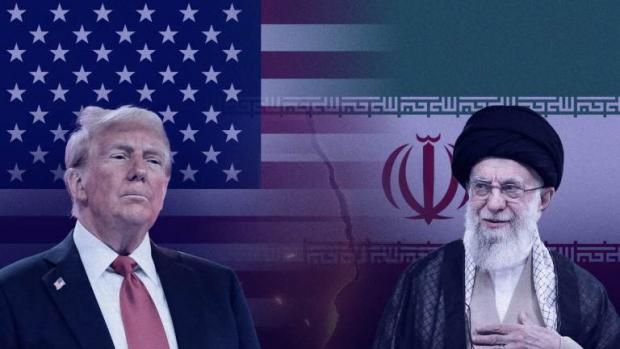
(Antiwar.com) U.S. policy toward Iran is frequently sold as a reaction to urgent threats. In practice, it behaves more like a system: narrative escalation, economic coercion, covert pressure, and then the steady normalization of "military options." The pattern repeats because it is institutionally convenient. It compresses debate, rewards maximal claims, and makes restraint look like failure.
Start with the information environment. On Iran, the line between verified reporting and advocacy often collapses. Casualty figures circulate fast, harden into "fact" faster, and then become emotional fuel for punitive policy. In the current cycle, official Iranian sources have cited a death toll around 6,000 during unrest, while Iran International has promoted numbers in the tens of thousands, including claims around 36,500. A gap that large isn't normal uncertainty. It should trigger basic questions about method, sourcing, and incentives.