










Breaking News
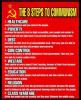 Communism is SO attractive to the elite because it gives them ALL OF THE POWER...
 First the fake medical degrees, now fake regular degrees!
 One of Wall Street's Best Hedge Funds Just Blew a 44% Gain Because of AI Bets
 Iran and Pakistan are mass deporting millions of Afghans back to Afghanistan.
Top Tech News
 Anduril's plan to save US sub edge from China's undersea surge
 Researchers Develop AI 'Mind-Reading' Tool That Reconstructs What Your Eyes See
 Video: Dexterous robot hand learns the delicate art of silk embroidery
 The computer that can read your mind:
 Seven apps. One craft
 SHOCK CASE REPORT: Advanced Alzheimer's Patient Regains Speech, Memory, Mobility...
 Most artificial limbs rely on silicone or plastic to mimic human hands.
 Flying cell tower beams phone signal to Japan from 10 miles up
 Chinese Commercial Reactor Achieves Nuclear Fusion with Clean Hydrogen-Boron Fuel
 Palmer Luckey: Autonomous Weapons Are Ancient and Why Anduril Won't Build Humanoids | EP #295



Natural Alternatives for Depression When There Is No Pharmacy
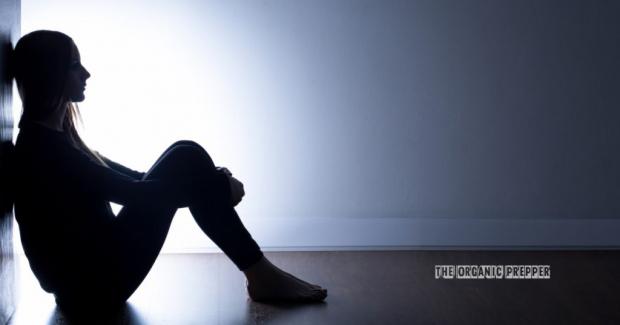
Depression impacts millions of Americans every year. Most of these people are taking some form of antidepressant. In an SHTF situation, pharmacies will not be available. This article will cover alternative ways to manage depression where prescription drugs are not an option.
What Is Depression?
If we are going to form a backup plan, we need to understand what depression is. Depression is more than just sadness and grief. According to Psychiatry.org:
Depression (major depressive disorder) is a common and serious medical illness that negatively affects how you feel, the way you think and how you act. Fortunately, it is also treatable. Depression causes feelings of sadness and/or a loss of interest in activities once enjoyed. It can lead to a variety of emotional and physical problems and can decrease a person's ability to function at work and at home.
Depression symptoms can vary from mild to severe and can include:
• Feeling sad or having a depressed mood
• Loss of interest or pleasure in activities once enjoyed
• Changes in appetite — weight loss or gain unrelated to dieting
• Trouble sleeping or sleeping too much
• Loss of energy or increased fatigue
• Increase in purposeless physical activity (e.g., hand-wringing or pacing) or slowed movements and speech (actions observable by others)
• Feeling worthless or guilty
• Difficulty thinking, concentrating or making decisions
• Thoughts of death or suicide