










Breaking News
 Iran's mountain shelters offer Taiwan a China survival playbook
 Exposing the True Evils of the Uniparty: Soros Money, Surveillance, and the Rise of a Third Party
 18,000+ Kids Injected With Vaccines While Unconscious At Colorado Hospital
 58% Of Americans Get Their News From Four Left-Leaning Aggregators; Study Finds
Top Tech News
 Modular phone promises total privacy at the flick of a switch
 Genetically Engineered War Dogs for 134 Pound Cyborg Dire Wolves Now – Later 600 Pound Wolves
 They're Quietly REPLACING Our Food With THIS… And Nobody Is Talking About It!
 Chicago Opens First "Teacher-Free" AI School as Global Push Accelerates
 Solar Panels Are Doing Something Nobody Expected
 DeLorean climbs skyward to race electric flying cars
 Atari's 800XL returns with a keyboard, cartridges and BASIC
 Bioinspired robot airdrops into remote waters via morphing wing-sail
 Anduril interceptor adapts to emerging threats via swappable stages
 I Built a Website to Expose Solar and Battery Scams


Master the art of food storage: Build a survival pantry that lasts
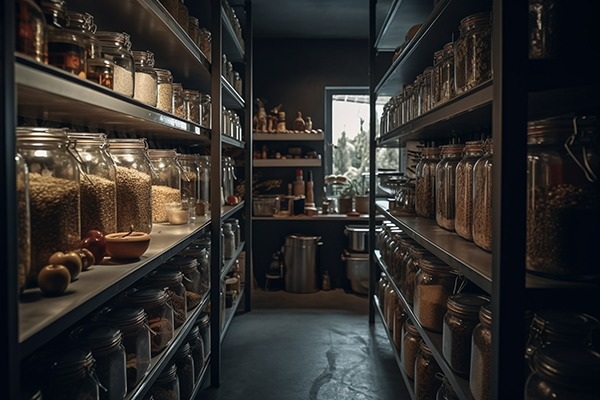
• Integrate food storage into regular life through small, manageable actions like setting aside money weekly or shopping during sales, making preparedness sustainable and less overwhelming.
• Store dry goods like rice, beans and pasta in airtight containers, ideally using a two-layer method (Mylar bags with oxygen absorbers inside sealed containers) and keep them in a cool, dark and dry place to maximize shelf life.
• Use the oldest items first and replace them every six to 12 months to keep supplies fresh, prevent waste and familiarize your family with the stored foods.
• When buying in bulk, especially #10 cans, calculate the price per ounce to get the best value and build your reserves economically.
• Ensure you have backup tools like a manual can opener and alternative cooking methods (e.g., butane stove or solar oven) so you can access and prepare food even during power outages.
In an unpredictable world, the wisdom of preparing for the unexpected has moved from the fringe to the forefront of many families' minds. The goal is no longer just to have food, but to have a resilient, reliable and nourishing stockpile that can sustain you through prolonged disruptions.
For veteran preppers, the key to true security lies not in a frantic last-minute scramble, but in the methodical, intelligent storage of supplies long before they are ever needed.
The cornerstone of this preparedness is a well-maintained food stockpile. The benefits extend far beyond mere survival; a well-planned pantry reduces stress, preserves normalcy and provides the empowering certainty that you can care for your loved ones no matter what happens.