










Breaking News
 Jury Sides Against Musk in OpenAI Lawsuit
 Primaries Held In 6 States: What To Watch
 (VIDEO) Candace Owens to Release Interview with Hunter Biden
 The Forever War We Cannot Escape
Top Tech News
 Cars Are Fast Becoming Dystopian Prison Pods...
 Our Emergency Water Plan Wasn't Good Enough - So We Built This
 Sodium Ion Batteries Can Reach 100 Gigawatt Per Hour Per Year Scale in 2027
 Juiced Bikes proves capable electric motorcycles don't have to cost a lot
 Headlight projectors turn your car into a drive-in theater
 US To Develop Small Modular Nuclear Reactors For Commercial Shipping
 New York Mandates Kill Switch and Surveillance Software in Your 3D Printer ...
 Cameco Sees As Many As 20 AP1000 Nuclear Reactors On The Horizon
 His grandparents had heart disease.
At 11, Laurent Simons decided he wanted to fight aging.
His grandparents had heart disease.
At 11, Laurent Simons decided he wanted to fight aging.
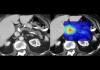 Mayo Clinic's AI Can Detect Pancreatic Cancer up to 3 Years Before Diagnosis–When Treatment...



225 Million Dead? The Hidden Crisis THEY WON'T TELL YOU ABOUT
The global food system is facing a "perfect storm" that official models are failing to predict.
While the world watches oil prices and geopolitics, a much more dangerous crisis is unfolding in the shadows: a total collapse of the global fertilizer supply chain. Today, we're diving deep into the "From Hormuz to Hunger" report—a 30-section technical analysis that suggests 118 to 225 million excess deaths could be locked in by a single chokepoint in the Middle East.
But that's only half the story.
In this investigative documentary, Charlie breaks down why institutional models from the World Bank and FAO are missing the "compound cascades" that turn a shipping delay into a global famine. We also look at the "gut-check" variable the report leaves out: the shift into the Solar Minimum and its impact on the next decade of harvests.