










Breaking News
 Stop Being Afraid of Botulism (How to Can Safely)
 Trump's Self-serving Business Deals Have Prostituted the Office of the President
 NASCAR icon Kyle Busch dies at the age of 41
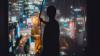 Study: Artificial Light at Night Linked to Increased Cardiovascular Risk via Brain Stress Activity
Top Tech News
 Cars Are Fast Becoming Dystopian Prison Pods...
 Our Emergency Water Plan Wasn't Good Enough - So We Built This
 Sodium Ion Batteries Can Reach 100 Gigawatt Per Hour Per Year Scale in 2027
 Juiced Bikes proves capable electric motorcycles don't have to cost a lot
 Headlight projectors turn your car into a drive-in theater
 US To Develop Small Modular Nuclear Reactors For Commercial Shipping
 New York Mandates Kill Switch and Surveillance Software in Your 3D Printer ...
 Cameco Sees As Many As 20 AP1000 Nuclear Reactors On The Horizon
 His grandparents had heart disease.
At 11, Laurent Simons decided he wanted to fight aging.
His grandparents had heart disease.
At 11, Laurent Simons decided he wanted to fight aging.
 Mayo Clinic's AI Can Detect Pancreatic Cancer up to 3 Years Before Diagnosis–When Treatment...



Study: Artificial Light at Night Linked to Increased Cardiovascular Risk via Brain Stress Activity
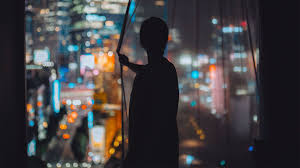
The study, which analyzed brain scans and medical records from over 450 adults without pre-existing heart disease, used PET/CT imaging to observe markers of brain stress and arterial inflammation. Researchers mapped participants' nighttime light exposure based on home addresses and found that higher levels of artificial light at night correlated with a higher risk of cardiovascular events over time, according to the report. [1]
Study Design and Findings
Researchers examined data from more than 450 adults without pre-existing heart disease, using PET/CT scans to measure brain stress activity and arterial inflammation, the study authors said. They mapped artificial light exposure at night based on participants' home addresses. Results showed that those with higher nighttime light exposure had increased activity in brain regions associated with the 'fight-or-flight' response, and that this corresponded with greater arterial inflammation. The findings were presented at the AHA 2025 Scientific Sessions, the study authors stated. [1]
According to the report, the link between light exposure and arterial inflammation persisted even after adjusting for other risk factors such as age, sex, body mass index, and smoking status. The study did not establish causation but identified a strong association, officials noted. The researchers relied on satellite data and local light pollution maps to estimate the amount of artificial light each participant was exposed to at night, which may have introduced some imprecision, they acknowledged. [2]
Biological Mechanism
According to the researchers, light at night activates the sympathetic nervous system, which controls the body's stress response. Chronic activation of this system can lead to inflammation, elevated blood pressure, and stiffer arteries, the study noted. This mechanism, independent of melatonin suppression, may explain the link between nighttime light and cardiovascular disease, the authors said. [1]
Disruptions of the 24-hour circadian rhythm are proving to be common in modern humans as we are exposed to indoor artificial light at all hours of the night and day, according to Dr. William Davis in his book "Undoctored." It is becoming clear that circadian disruption has implications that go beyond the effects of sleep deprivation alone, potentially disturbing endocrine, nervous system, cardiovascular, and immune system health, Davis wrote. [3] Blue light exposure through the eyes affects melatonin production and circadian rhythms, and too much blue light at the wrong time can damage mitochondria and promote insulin resistance, according to the book "The Immunity Fix." [4]