










Breaking News
 Economist Issues a Chilling Warning (You Should Prepare)
 The Internet Is Getting Harder to Trust | Josh Smith From #485 | The Way I Heard It
 DIY LFP Battery Explosion! Is it Possible??
 House Leadership Delays Vote on Ending the Iran War
Top Tech News
 Cars Are Fast Becoming Dystopian Prison Pods...
 Our Emergency Water Plan Wasn't Good Enough - So We Built This
 Sodium Ion Batteries Can Reach 100 Gigawatt Per Hour Per Year Scale in 2027
 Juiced Bikes proves capable electric motorcycles don't have to cost a lot
 Headlight projectors turn your car into a drive-in theater
 US To Develop Small Modular Nuclear Reactors For Commercial Shipping
 New York Mandates Kill Switch and Surveillance Software in Your 3D Printer ...
 Cameco Sees As Many As 20 AP1000 Nuclear Reactors On The Horizon
 His grandparents had heart disease.
At 11, Laurent Simons decided he wanted to fight aging.
His grandparents had heart disease.
At 11, Laurent Simons decided he wanted to fight aging.
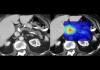 Mayo Clinic's AI Can Detect Pancreatic Cancer up to 3 Years Before Diagnosis–When Treatment...



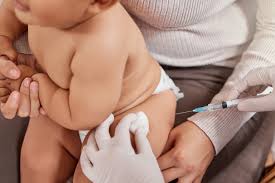
Watch: Parents Aren't Getting Full Story On Newborn Vitamin K Shots, Researcher Says
Speaking this week on CHD.TV's "Good Morning CHD," Humphries said media coverage of the issue relies heavily on fear while downplaying information parents need to make informed decisions.
Humphries cited a recent ProPublica article that claimed "hundreds of children die each year" from brain bleeding, which the publication linked to vitamin K deficiency.
Humphries disputed whether low vitamin K levels are the underlying cause in many of those cases.
Citing older European data collected before routine vitamin K injections became standard, Humphries said deaths from brain bleeds associated with vitamin K deficiency occurred at a rate of approximately 0.26 to 0.9 per 100,000 births.
"Put that into perspective and decide if you want to have this injection put into your baby," Humphries said. "There is no such thing as zero risk."
Breast milk deemed 'innately deficient substance that puts your baby at risk'
According to the Centers for Disease Control and Prevention (CDC), vitamin K helps blood clot normally, and babies are born with naturally low levels of the nutrient. In some cases, this can lead to vitamin K deficiency bleeding.
The CDC says most cases occur during the first week of life and are often linked to maternal medications that interfere with vitamin K metabolism. Symptoms are typically minor and can include bruising and bleeding around the umbilical cord.
The rarer, late-onset form — which may lead to intracranial bleeding — occurs in an estimated 4 to 7 infants per 100,000, according to Humphries.
The CDC says late-onset cases tend to occur in infants who did not receive the vitamin K shot and are exclusively breastfed, because breast milk contains low levels of vitamin K.
Humphries criticized the implication that breast milk itself is inadequate.
"We're often told that it happens in exclusively breastfed infants, as if breast milk is just like this innately deficient substance that puts your baby at risk," Humphries said. "And so if you say you're going to breastfeed 100% and prolong breastfeeding, that's when they'll be chasing you around with a syringe."
Shot includes benzyl alcohol, which FDA said 'should be discontinued' in 1982
The CDC recommends that all newborns receive an intramuscular vitamin K injection shortly after birth, typically within hours of delivery.
Humphries said parents who question the shot are often dismissed rather than given complete information about the product and the available evidence.
She raised concerns about one of the ingredients in some vitamin K shots — benzyl alcohol, a preservative linked to "gasping syndrome" and infant deaths.
In 1982, the U.S. Food and Drug Administration (FDA) recommended that benzyl alcohol "should be discontinued" in neonatal products. However, the CDC website still lists it as a preservative in some vitamin K products, but says the amount used is too small to pose a danger.