










Breaking News
 The SPLC's Real Scam
 Russia Is Single-Handedly Standing Against The West: Putin
 Public Schools Are In A Downward Spiral
 "Flying Beer Cooler": Pentagon's Next Kamikaze Drone Ushers In Era Of Cheap Mass-Produ
Top Tech News
 NUCLEAR ENGINE - UNLIMITED LUXURY - 20 YEARS WITHOUT REFUELING
 China Unveils Nuclear-Powered Floating Hub For Green Shipping
 China Launches World's 1st Commercial Brain Chip, Beating Elon Musk's Neuralink!
 Modular next-gen US nuclear reactor goes critical
 How EMF's cause disease
 This Company Will Add Phone, AirPod, and Smartwatch Trackers to License Plate Readers
 Elon Details SpaceX AI Data Center in Space Details and Roadmap
 5-in-1 miniature surgical robot is the size of a seed
 Every hard drive you own will die.
 Flying car industry turns to solid-state batteries for commercial takeoff



[Guest] Lt. Col. Karen Kwiatkowski: How Many US Bombs Will It Take to Get a Deal with Iran?
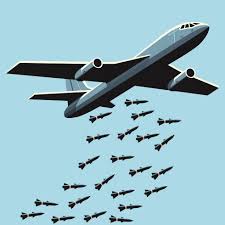
We take apart the latest Iran war rhetoric coming from Trump and Secretary of Defense Pete Hegseth, and we ask what actually holds up when you look past the press statements and watch how the US military behaves.
We start with the Pentagon lockdown story and use it to talk about competence, confidence, and leadership inside the Department of Defense. From there, we dig into why coercion rarely produces a durable peace agreement, why international legitimacy matters, and why credibility is not a vibe, it's earned through experience and judgment. We also test Trump's repeated claims that Iran has "no air defenses" against what operational caution suggests about Iranian capability and resilience.
Then we widen the lens: Karg Island returns as a strange fixation that points to a 1991-style fantasy of easy victory, even as today's constraints look very different. We weigh whether there is any real US Iran deal on the table, why Israel and a Lebanon ceasefire are central to Iran's position, and how analysts like Trita Parsi frame the long-term cost when Washington cannot sustainably restrain partners. We close with the Gulf Arab states' perspective and what a new Middle East security architecture could look like as trust in the United States erodes and alternatives like Russia and China gain room to maneuver.