










Breaking News
 How to Make Sourdough Bread for Beginners (Teaching My Mom Every Step)
 EG4 DIY Dual Zone Mini Split! How Many Panels Do You Need?
 Newsom Scrubs '$100 Million' Slippery Slope From National 'Billionaire Tax' Pitch...
 Young Americans Expect To Buy A Home Later In Life (Or Not At All)
Top Tech News
 'Groundbreaking' Potential Lupus Cure Sends Patients into Remission, Allowing Dreams...
 Speculations on What Could Show Physics Beyond the Standard Model
 SpaceX Orbital Travel and Orbital Hotels Need Starfall – Getting Back Safe and Cheap is Exciting
 Lizard-inspired wiggly wheels let Mars rover swim through sand
 Fact Sheet: President Donald J. Trump Ushers in the Next Frontier of Quantum Innovation
 Researchers at Johns Hopkins University just let an AI-guided robot remove a dead pig's gallblad
 World's first consumer wing-in-ground effect aircraft takes flight
 America's Military Readiness Depends On Deployable Nuclear Power
 License Plate Cameras Are About To Start Tracking A Lot More Than Just Your Car
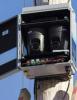 Heads up: Apparently the government is hiding cameras inside fake utility boxes



National Weather Service predicts dangerous 4th of July weekend weather

Fireworks, beach trips, and backyard gatherings are staples of the Fourth of July holiday. This year, however, many Americans may need to add heat safety to their plans. Forecasters say a prolonged stretch of extreme temperatures and high humidity could affect much of the country heading into the holiday weekend.
Which areas could see the most extreme heat?
Leading up to and through the July 4 holiday weekend, much of the eastern half of the United States could face dangerous heat and humidity, according to a new outlook from the National Weather Service (NWS), part of the National Oceanic and Atmospheric Administration (NOAA). The high temperatures are expected to last from July 2 through at least July 5.
"Significant, dangerous heat wave expected next week for the
Central to Eastern U.S., the agency stated.

A high risk of extreme heat is in place for parts of the Mid-Atlantic and Southeast from July 2 to July 4, as well as portions of the Ohio Valley, Tennessee Valley, Great Lakes region, and Middle Mississippi Valley from July 2 to July 3. A broader moderate risk extends across much of the central and eastern U.S.
