










Breaking News
 Smotrich Says Israel Has Plans Drawn Up To Establish Three Jewish Settlements in Gaza...
 Virginia's New Gun Laws are Already Costing Jobs
 FARA Docs: Israel is Spying On Millions Of Christian Americans In Their Churches
 Grand Theft World Podcast 293 | Neocon Maga Zombies with guest Matthew Ehret
Top Tech News
 Researchers in China are ignoring bug spray, citronella, and netting.
 Our bodies may be able to regrow lost limbs after all
 Chinese cars go blacker than black via hybrid nano tech
 World first: Human embryo model grows its own organs – in the lab
 Dead lithium batteries revived to 95% capacity via electrochemical bath
 Compact laser engraver levels up your DIY crafts setup
 'Groundbreaking' Potential Lupus Cure Sends Patients into Remission, Allowing Dreams...
 Speculations on What Could Show Physics Beyond the Standard Model
 SpaceX Orbital Travel and Orbital Hotels Need Starfall – Getting Back Safe and Cheap is Exciting
 Lizard-inspired wiggly wheels let Mars rover swim through sand



Hormuz Tanker Traffic Plunges After Fresh US-Iran Strikes
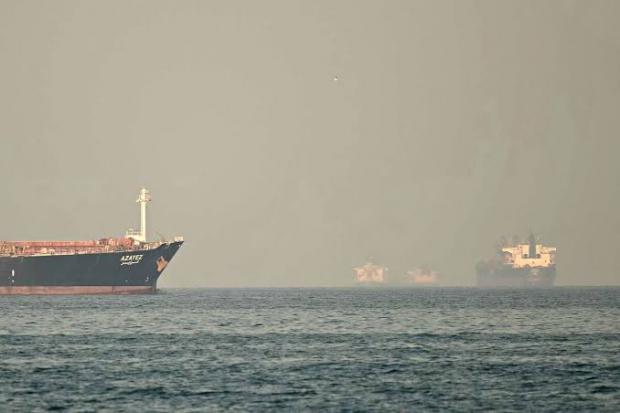
The Thursday attack on the container ship Ever Lovely prompted some shipowners to pull back and wait for additional information about how safe transiting the Strait is. The U.S. military on Friday carried out strikes on Iran in response to the attack on the vessel.
Then, on Friday and Saturday, the US Central Command (CENTCOM) forces conducted strikes against multiple targets in Iran, in response to attacks on two vessels near the Strait of Hormuz. On Saturday, an Iranian attack on a Panama-flagged oil tanker, Kiku, while it was transiting the Strait of Hormuz prompted additional strikes by the U.S. forces. Kiku was carrying more than 2 million barrels of crude oil, the U.S. armed forces said.
"After yesterday's U.S. strikes in response to the Iranian attack on M/V Ever Lovely, Iran was given a chance to honor the ceasefire agreement but elected not to when its forces launched a one-way attack drone that hit M/T Kiku this morning at 4:30 a.m. ET," CENTCOM said on Saturday.
The attacks on commercial vessels and the U.S. retaliatory attacks on Iran continue to test not only the fragile ceasefire, but also the willingness of shipowners and operators to press on with transits through Hormuz.
Since a weekly peak of vessels transiting Hormuz on June 24, traffic has materially eased, both in the outbound and inbound directions, according to ship-tracking data by Kpler compiled by Bloomberg.
After the flare-up this weekend, the U.S. and Iran have reportedly agreed to cease attacks ahead of tentatively planned new talks this week.
Although traffic through the Strait of Hormuz has resumed and more vessels are openly broadcasting their position, a return to normality is far from certain and far from near amid persistently volatile operating conditions in the Middle East and its key shipping lane.