










Breaking News
 CANADA JUST CROSSED A RED LINE
 Tokenization Can Change the World's Financial Architecture
 Hal Puthoff BLOWS Joe Rogan's Mind With Quantum Experiment
 MK-Ultra is a very dark chapter of American history
Top Tech News
 Our Diesel-Electric Truck Is So Quiet the Military Wants One
 World's first hotel entirely staffed by robots to open in 2027
 Researchers in China are ignoring bug spray, citronella, and netting.
 Our bodies may be able to regrow lost limbs after all
 Chinese cars go blacker than black via hybrid nano tech
 World first: Human embryo model grows its own organs – in the lab
 Dead lithium batteries revived to 95% capacity via electrochemical bath
 Compact laser engraver levels up your DIY crafts setup
 'Groundbreaking' Potential Lupus Cure Sends Patients into Remission, Allowing Dreams...
 SpaceX Orbital Travel and Orbital Hotels Need Starfall – Getting Back Safe and Cheap is Exciting



Tokenization Can Change the World's Financial Architecture
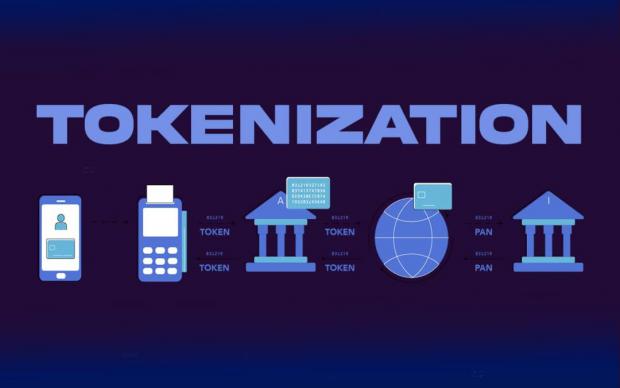
Tokenization is often described as a technological upgrade enabling faster settlement, cheaper payments, and programmable assets. But it is a lot more.
When financial assets and liabilities move onto shared digital ledgers, the structure of the financial system itself changes. Processes that today occur sequentially — execution, clearing, settlement —can now happen simultaneously, governed by software rather than institutional processes. Risk could migrate away from the balance sheets of institutions such as banks and investment funds towards the companies managing services and market infrastructures. The potential points of failure could change, so the policy frameworks must adapt accordingly.
Our research shows that policy choices made now will shape whether tokenization strengthens or fragments the financial system. Additional work goes deeper into new trends in payments and asset tokenization and how financial market infrastructures will evolve in a tokenized economy.