










Breaking News
 Food Shortages In 2027? The ICC Warns That Global Food Prices Could Rise By Close To 70%
 Interview 2039 - The "Rogue AI" Psyop on the IMA Roundtable
 Federal Survey Of 21,990 Kids Ties COVID Shots To Autism, ADHD
 AI Geniuses Are Decidedly Not Policy And Economic Geniuses
Top Tech News
 SHOCK CASE REPORT: Advanced Alzheimer's Patient Regains Speech, Memory, Mobility...
 Most artificial limbs rely on silicone or plastic to mimic human hands.
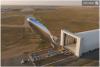 Flying cell tower beams phone signal to Japan from 10 miles up
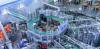 Chinese Commercial Reactor Achieves Nuclear Fusion with Clean Hydrogen-Boron Fuel
 Med Beds Just Took a MASSIVE Step Forward, Healing People in Days!
 Palmer Luckey: Autonomous Weapons Are Ancient and Why Anduril Won't Build Humanoids | EP #295
 A laser just photographed objects through six feet of concrete
 Elon Musk's Next-Gen Motor Destroy Entire EV Industry
 China's disputed satellite refueling heralds new space war era
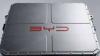 BYD Will Put Solid-State Batteries In An EV Next Year: Executive



US Households Pay 62% More For Water Than They Did A Decade Ago

Yet humongous data centers get a free pass on both energy and water, as AI is set to take over metering of those same resources. ? Patrick Wood, Editor.
US households are paying 62% more for drinking water than they did a decade ago – outpacing inflation, grocery prices and household incomes, according to a new study.
Food & Water Watch, a Washington DC-based non-profit, analyzed 2025 billing data from the 500 largest community water systems in the US, which together serve about 155 million people, or 45% of the country's population. The analysis compared current rates with data from a similar Food & Water Watch survey conducted in 2015. The study does not include wastewater or storm water charges, which are often billed separately from drinking water service.
In 2025, the average household using 60,000 gallons of water paid $531 for drinking water service, according to the study. However, costs varied widely, with annual bills ranging from $133 at the cheapest system to $1,416 at the most expensive.