










Breaking News
 Senators Say Trump Admin Is Illegally Sitting On Secret Court Ruling About Warrantless Spying
City by City Being Eaten Alive by Third World Immigration in America
 "Doomsday": U.S. Military Planning To Survive 90 Days Without Power Grid
 Former DOGE Staffers Hacked Into Anthropic's Internal Systems In 12 Hours...
Top Tech News
 Modular phone promises total privacy at the flick of a switch
 Genetically Engineered War Dogs for 134 Pound Cyborg Dire Wolves Now – Later 600 Pound Wolves
 They're Quietly REPLACING Our Food With THIS… And Nobody Is Talking About It!
 Chicago Opens First "Teacher-Free" AI School as Global Push Accelerates
 Solar Panels Are Doing Something Nobody Expected
 DeLorean climbs skyward to race electric flying cars
 Atari's 800XL returns with a keyboard, cartridges and BASIC
 Bioinspired robot airdrops into remote waters via morphing wing-sail
 Anduril interceptor adapts to emerging threats via swappable stages
 I Built a Website to Expose Solar and Battery Scams


The brain's role in link between salt and high blood pressure
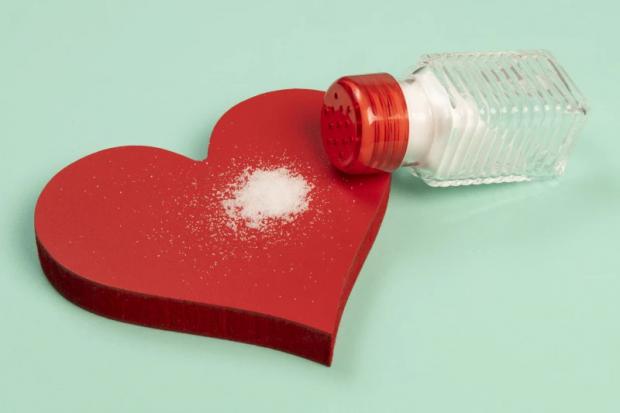
Astrocytes, star-shaped glial cells, can reshape themselves in response to various conditions, including high blood pressure. But the "how" behind this shape-shifting has remained a mystery.
To crack the code, McGill University researchers turned to a classic model: rats fed a high-salt diet. In these animals, astrocytes in a key brain region, the hypothalamus, lose some of their branching structures. This change isn't just cosmetic. It's part of a larger story where salt sparks brain inflammation, which in turn raises blood pressure.
This association flips the script on hypertension. Long blamed on the kidneys and blood vessels, it now seems the brain might be a silent instigator, especially in cases where standard treatments fail.