










Breaking News
 Here's Why It's Time For The Police To Question Erika Kirk… | Candace Ep 305
 The Proof of Persona: Decoding Patent 060606 and the Mining of the Human Soul
 Bill Maher APOLOGIZES To QAnon!
 Mama's Boy? Sam Bankman-Fried, Represented By His Mother, Files For New Trial In FTX Implosion C
Top Tech News
 Drone-launching underwater drone hitches a ride on ship and sub hulls
 Humanoid Robots Get "Brains" As Dual-Use Fears Mount
 SpaceX Authorized to Increase High Speed Internet Download Speeds 5X Through 2026
 Space AI is the Key to the Technological Singularity
 Velocitor X-1 eVTOL could be beating the traffic in just a year
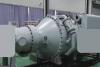 Starlink smasher? China claims world's best high-powered microwave weapon
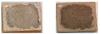 Wood scraps turn 'useless' desert sand into concrete
 Let's Do a Detailed Review of Zorin -- Is This Good for Ex-Windows Users?
 The World's First Sodium-Ion Battery EV Is A Winter Range Monster
 China's CATL 5C Battery Breakthrough will Make Most Combustion Engine Vehicles OBSOLETE



A Day's Wage in Silver: Ancient Times to Today

For most of human history, money wasn't paper — it was silver. And a worker's pay wasn't measured in dollars… it was measured in metal.
In this video, we track a day's wage in silver from the ancient world to modern times. From Roman laborers and medieval farmers to 1800s American workers and today's paycheck earners, we break down how many ounces of silver a day of human labor has been worth across centuries.
You'll discover:
How much silver a worker earned in ancient Rome
Medieval and early American daily wages in silver
How the Industrial Age changed labor value
What today's wages equal in silver ounces
Whether human labor has gained or lost value over time
When currencies rise and fall, metals tell a different story. Silver has acted as a long-term measuring stick for human effort — and the comparison is eye-opening.