










Breaking News
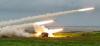 Taiwan fires dozens of U.S.-supplied rockets toward China in historic live-fire exercise
 Dirty soda disaster: What's really hiding in that trendy drink
 Why the Coming YOUTH REVOLT is the Result of Central Bank Fiat Currency Printing
 Americans Suffer While Trump Fights for Israel
Top Tech News
 NUCLEAR ENGINE - UNLIMITED LUXURY - 20 YEARS WITHOUT REFUELING
 China Unveils Nuclear-Powered Floating Hub For Green Shipping
 China Launches World's 1st Commercial Brain Chip, Beating Elon Musk's Neuralink!
 Modular next-gen US nuclear reactor goes critical
 How EMF's cause disease
 This Company Will Add Phone, AirPod, and Smartwatch Trackers to License Plate Readers
 Elon Details SpaceX AI Data Center in Space Details and Roadmap
 5-in-1 miniature surgical robot is the size of a seed
 Every hard drive you own will die.
 Flying car industry turns to solid-state batteries for commercial takeoff



Taiwan fires dozens of U.S.-supplied rockets toward China in historic live-fire exercise
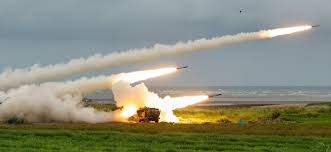
The exercise, which also included 155 mm howitzers, simulated a response to a potential Chinese amphibious invasion and tested rapid deployment and precision-strike capabilities. This marks the first time Taiwan has fired these rockets westward toward mainland China, a move that is certain to further inflame tensions with Beijing, which considers the self-governing island a renegade province.
The Taiwanese army fired the rockets from a coastal site near the mouth of the Dajia River in Taichung, an area long regarded as a potential landing point for invading Chinese forces. The drill showcased what the military calls "shoot-and-scoot" tactics, in which launcher vehicles emerge briefly from concealed positions, fire, and immediately withdraw before an enemy can respond. "Due to the current enemy threat, we will continue HIMARS training with unwavering determination to protect Taiwan as the nation's strongest force," army Sgt. Wang Ming-hui said.
A message of resolve to Beijing and Washington
The drill carried two audiences in mind simultaneously. For Beijing, it was a demonstration that any amphibious assault across the strait would face punishing, precise resistance. For Washington, it was proof that Taiwan is actively investing in its own defense rather than relying passively on U.S. support. Retired U.S. Marine Colonel Grant Newsham, who served in several Indo-Pacific roles, told the Wall Street Journal that the drill sent a clear warning to China that any attempted crossing of the strait would result in devastating losses. The drill also comes as a $14 billion U.S. arms package for Taiwan awaits President Trump's approval, with Trump himself describing the package as "a very good negotiating chip" with China.
While the test rockets used during the exercise were reduced-range practice rounds that flew only about six miles offshore before falling into the water, the HIMARS platform itself is capable of reaching targets between roughly 20 and 186 miles away, potentially hitting China's southeastern Fujian Province. Taiwan has already ordered 29 HIMARS launchers from the U.S., and in December received approval to purchase 82 more, including 420 ATACMS missiles that put China's coast within easy range. Taiwan's representative to the U.S., Alexander Yui, told CNN that the army was practicing with the newly acquired HIMARS, adding that as an island, "we can only shoot east or west, so they chose west."
China views drill as provocation
Chinese officials have repeatedly condemned U.S. arms sales to Taiwan as interference in China's internal affairs and a violation of the decades-old One-China policy. Beijing considers Taiwan part of China and has consistently warned against any move toward independence. During his meeting with President Trump in Beijing, Chinese President Xi Jinping described Taiwan as the most important issue in U.S.-China relations and warned that mishandling it could push the two countries into "a very dangerous situation." China sends warships and planes near the island almost daily and has held major military exercises in its vicinity in recent years.