










Breaking News
 JD Vance Unloads on lsrael And The Neocons Are FURIOUS!
 The SPLC Is Awash in Cash -- Here's a Modest Proposal for What Should Be Done With the Dough
 Shapiro and Levin are BIG MAD over no 'forever war' in Iran…
 Netanyahu has a plan to undermine President Trump, and it includes Fox News…
Top Tech News
 Heads up: Apparently the government is hiding cameras inside fake utility boxes
 Sodium Batteries And EVs That Power The Grid: Inside GM's Big Energy Push
 NUCLEAR ENGINE - UNLIMITED LUXURY - 20 YEARS WITHOUT REFUELING
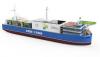 China Unveils Nuclear-Powered Floating Hub For Green Shipping
 China Launches World's 1st Commercial Brain Chip, Beating Elon Musk's Neuralink!
 Modular next-gen US nuclear reactor goes critical
 How EMF's cause disease
 This Company Will Add Phone, AirPod, and Smartwatch Trackers to License Plate Readers
 Elon Details SpaceX AI Data Center in Space Details and Roadmap
 5-in-1 miniature surgical robot is the size of a seed


Swap Lines, Secret Bailouts, and the Weaponization of the Dollar

What does it say when Washington starts extending swap lines to countries like Argentina and the UAE?
Doug Casey: First, we should define what a swap line is. It basically amounts to the US giving a foreign country X amount of currency in dollars, and the other country paying for it by giving the US the same amount in their currency. For decades, US dollar swap lines were mostly reserved for major allies and core financial centers around the world.
It's a problem, however, with countries whose currencies have no value outside of their boundaries. A country that gets a swap line from the US is trading its paper for liquid and fungible dollars. The US may then get stuck with UAE dirhams or Argentine pesos. It's trading real money for play money, Monopoly money.
In the case of Argentina, that swap line may never be repaid. The US might wind up being stuck with a bunch of worthless Argentine pesos.
When the US gives a foreign country a swap line, it basically creates those dollars out of nothing. They enter the banking system and debase the dollar. Doing so gives the US some leverage over a country that takes the swap.
But it's a pretty expensive way of getting leverage.
International Man: In Argentina's case, the US framed the swap line as a stabilizing measure. But was this really about financial stability, or was it about propping up a politically important ally at a critical moment?
Doug Casey: Since Milei is Trump's new BFF, the swap was intended to help Argentina's perennially weak economy, thereby helping Milei. That's great for the moment, but now Argentina has to deal with another $30 billion of debt. I would've recommended Milei default on all of Argentina's debts to the IMF, the World Bank, and the US—that might have worked during Milei's first few months. "I'm sorry, everyone. We just don't have the ability to pay right now. Wait until I set things straight." I'm not sure that Argentina would've been punished badly for that. Third World countries default all the time.
Instead, Argentina taking the swap just indebts them by another $30 billion. The way to look at this is that future generations of young Argentines are being turned into serfs in order to repay that swap line, along with the rest of the debt.
Milei should have called a spade a spade and admitted bankruptcy instead of going further into debt to keep the Ponzi scheme going.