










Breaking News
 In 1990 the FDA banned Red Dye 3 from lipstick in 1990
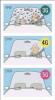 3G-1998, 4G-2018, 5G-2026
 How to fight back against the surveillance state
 The Truth About Soil Health (And Why It Changes Everything)
Top Tech News
 Heads up: Apparently the government is hiding cameras inside fake utility boxes
 Sodium Batteries And EVs That Power The Grid: Inside GM's Big Energy Push
 NUCLEAR ENGINE - UNLIMITED LUXURY - 20 YEARS WITHOUT REFUELING
 China Unveils Nuclear-Powered Floating Hub For Green Shipping
 China Launches World's 1st Commercial Brain Chip, Beating Elon Musk's Neuralink!
 Modular next-gen US nuclear reactor goes critical
 How EMF's cause disease
 This Company Will Add Phone, AirPod, and Smartwatch Trackers to License Plate Readers
 Elon Details SpaceX AI Data Center in Space Details and Roadmap
 5-in-1 miniature surgical robot is the size of a seed


1.2 million fake students applied to California community colleges last year. What's being done?
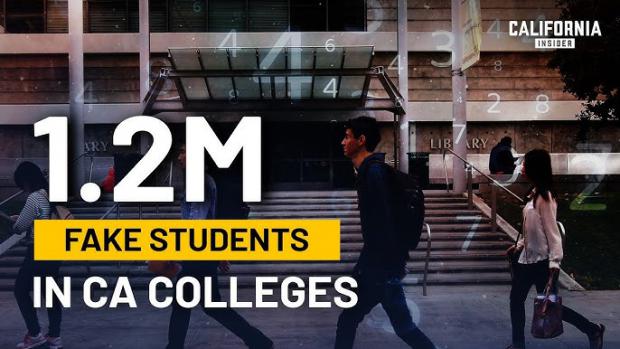
• Financial aid fraud has been on the rise in California's community colleges.
• Scammers stole roughly $8.4 million in federal financial aid and more than $2.7 million in state aid in 2024.
California community college officials are working to overcome a serious predicament involving hundreds of thousands of fake students and hefty financial aid losses.
It's possible this multimillion-dollar problem could be solved, in part, with a $10 fee.
At a meeting last month of the Board of Governors of the California Community Colleges, officials discussed a proposal to charge prospective students a $10 application fee — applying to one of the state's 116 community colleges has historically been free.
As officials prepare to put into place measures to prevent fraud, the charge is one more possible way to weed out those who are gaming the system to steal millions in financial aid dollars. At the May 20 meeting, the proposal seeking approval to explore the implementation of a "nominal" application fee was met with lengthy and spirited debate — with some fearing the fee would be seen as an obstacle for new students, many of whom are low-income.