










Breaking News
 Trump shocks world leaders at G7 with bold reprimand of Israel's bombing of Lebanon...
 A Million People On Mars
 SpaceX Acquires Cursor AI In $60 Billion Deal As Coding Agent Race Heats Up
 From Hormuz To Houston: The US Takeover Of Global Energy Flows Ramps Up
Top Tech News
 Heads up: Apparently the government is hiding cameras inside fake utility boxes
 Sodium Batteries And EVs That Power The Grid: Inside GM's Big Energy Push
 NUCLEAR ENGINE - UNLIMITED LUXURY - 20 YEARS WITHOUT REFUELING
 China Unveils Nuclear-Powered Floating Hub For Green Shipping
 China Launches World's 1st Commercial Brain Chip, Beating Elon Musk's Neuralink!
 Modular next-gen US nuclear reactor goes critical
 How EMF's cause disease
 This Company Will Add Phone, AirPod, and Smartwatch Trackers to License Plate Readers
 Elon Details SpaceX AI Data Center in Space Details and Roadmap
 5-in-1 miniature surgical robot is the size of a seed


From Hormuz To Houston: The US Takeover Of Global Energy Flows Ramps Up
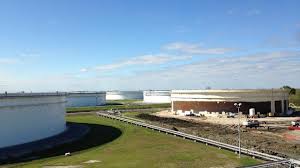
Trump's broader energy strategy aims to weaken OPEC's influence and cement U.S. dominance over global energy markets.
Venezuela, Argentina, and Brazil are emerging as the biggest growth engines, with Venezuela rebuilding output, Argentina rapidly expanding Vaca Muerta shale production, and Brazil reaching record production levels.
Oil exports from the U.S. and its 'Americas' sphere of influence continue to be the prime beneficiary from the drop in crude output leaving the Middle East. Industry figures showed dirty tanker shipments from the Americas hit an all-time high of 14.5 million barrels per day (bpd) in May, up from 13.8 million bpd in April, and a 40% increase from May 2025. Meanwhile, transits through the key Strait of Hormuz global oil route dropped 89% from February to May, with total ship movements dropping from over 3,700 to around 400. "The pattern is likely to continue even when the Strait [of Hormuz] opens up again, as it'll take months for Middle East volumes to recover to their former levels [before the U.S./Israel-Iran conflict], and some key sites will take several years to do so," a senior source who works closely with the European Union's (E.U.) energy security complex exclusively told OilPrice.com last week. "Meanwhile, the U.S. has ramped up its own [oil] production to record levels and is helping countries in the Americas -- Venezuela, Argentina, and Brazil, mainly -- to do the same," he added. "It marks a long-term shift in the centre of the world's global oil and gas gravity," he underlined.
This is precisely what U.S. President Donald Trump wanted to do from his first day in his first term as president, given his extreme dislike of OPEC's use of its cartel powers over the years against the core interests of Washington and its allies, as analysed in full in my latest book on the new global oil market order. This was first notably seen in the 1973 Oil Crisis in which Saudi Arabia rallied fellow OPEC members into imposing an oil embargo on the U.S. and its allies following their support for Israel in the Yom Kippur War. By the end of the embargo in March 1974, the price of oil had risen from around US$3 per barrel to nearly US$11 per barrel, which stoked the fire of a global economic slowdown, especially felt in the West. Then-Saudi Minister of Oil and Mineral Reserves, Sheikh Ahmed Zaki Yamani, highlighted that this marked a fundamental shift in the world balance of power between the developing nations that produced oil and the developed industrial nations that consumed it. However, with the rise of U.S. shale oil production from around 2010, and OPEC's attempt to destroy the nascent sector through an Oil Price War from 2014-2016 failing catastrophically, Trump has wanted to critically undermine the cartel's ability to damage U.S. and allied interests ever since. Indeed, in the subsequent 2020 Oil Price War involving OPEC and started by Saudi Arabia for the same reason as in 2014, Trump expedited progress of the 'No Oil Producing and Exporting Cartels Act' (NOPEC), which would open the way for sovereign governments to be sued for predatory pricing and failure to comply with the U.S.'s antitrust laws. It could also break up Saudi Arabian oil supergiant Aramco -- the mainstay of the Kingdom's existing economic and political systems -- into constituent parts, effectively destroying it.