










Breaking News
 BBC Hands Soros-Linked Pro-Migrant Campaigners Direct Access To Shape Children's Show
 Telegram Founder Warns UK Social Media Ban Is Digital Iceberg About To Sink The Free Internet
 No FISA Without SAVE Act: Trump Calls Out 'Dumocrat' Double-Cross," Keeps Pulte As Acti
 Ease In Our Time
Top Tech News
 Heads up: Apparently the government is hiding cameras inside fake utility boxes
 Sodium Batteries And EVs That Power The Grid: Inside GM's Big Energy Push
 NUCLEAR ENGINE - UNLIMITED LUXURY - 20 YEARS WITHOUT REFUELING
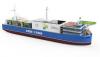 China Unveils Nuclear-Powered Floating Hub For Green Shipping
 China Launches World's 1st Commercial Brain Chip, Beating Elon Musk's Neuralink!
 Modular next-gen US nuclear reactor goes critical
 How EMF's cause disease
 This Company Will Add Phone, AirPod, and Smartwatch Trackers to License Plate Readers
 Elon Details SpaceX AI Data Center in Space Details and Roadmap
 5-in-1 miniature surgical robot is the size of a seed


Where Are Iran's Frozen Assets Held? How Much?
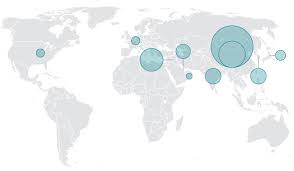
Frozen Assets
The U.S. blocked several countries from paying for oil purchases, money that Tehran now wants back to permanently end the war.
The Wall Street Journal discusses Where Iran's Billions of Dollars in Frozen Assets Are Held
Iran is entering negotiations with the Trump administration with an eye on a big prize: tens of billions of dollars locked abroad that could help revive its crisis-hit economy.
Some of the assets have been frozen for nearly as long as the Islamic Republic, which dates to the 1979 revolution, has existed. But the blocked assets are mostly more recent payments for Iran's oil sales to China, India, South Korea and Japan—money got stuck when President Trump withdrew from the Obama administration's nuclear accord and reinstated sanctions on Iran in 2018.
Estimates of how much Iranian assets abroad are worth vary, with Tehran saying it is at least $100 billion. Other experts put it much lower. Tehran's priority is to unblock an initial $24 billion in phases.
Estimates by Country
China: China has long been the biggest buyer of Iranian oil, and estimates of Tehran's frozen assets there range from $20 billion to $50 billion.
IRAQ: $15 billion. Iraq is a major buyer of electricity and natural gas from Iran, its neighbor, but U.S. restrictions have long prevented Baghdad from paying for the services.
INDIA: $7 billion. Before Trump pulled out of the Obama-era nuclear deal, India was Iran's second-largest oil buyer. The Trump administration's sanctions forced Indian banks to withhold payments for the purchases of Iranian crude.
SOUTH KOREA: $7 billion. Like India and China, South Korea was a major oil customer of Iran's before the first Trump administration imposed sanctions. Much of the $7 billion frozen there was later transferred to Qatar as part of a prisoner exchange with the U.S.
QATAR: $6 billion. The U.S. reversed course after the Oct. 7, 2023, attacks on Israel by Iran-backed Hamas, a U.S.-designated terrorist organization. Washington still hasn't allowed Qatar to transfer the funds, which were meant to be used only for humanitarian purposes. Current negotiations focus heavily on granting Iran access to these funds.
OTHERS: $8 billion. Iranian assets are also held in Japan, Luxembourg, Oman and even the U.S.