










Breaking News
 Musk Supports Nuremberg-Style Trials After UK Rape-Gang Inquiry Release
 Fire Erupts At Massive Food Storage Warehouse In Southern California
 How Deep Are The Newsoms In It?
 America At 250: Survey Finds Enduring Patriotism, Growing Anxiety
Top Tech News
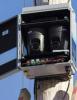 Heads up: Apparently the government is hiding cameras inside fake utility boxes
 Sodium Batteries And EVs That Power The Grid: Inside GM's Big Energy Push
 NUCLEAR ENGINE - UNLIMITED LUXURY - 20 YEARS WITHOUT REFUELING
 China Unveils Nuclear-Powered Floating Hub For Green Shipping
 China Launches World's 1st Commercial Brain Chip, Beating Elon Musk's Neuralink!
 Modular next-gen US nuclear reactor goes critical
 How EMF's cause disease
 This Company Will Add Phone, AirPod, and Smartwatch Trackers to License Plate Readers
 Elon Details SpaceX AI Data Center in Space Details and Roadmap
 5-in-1 miniature surgical robot is the size of a seed


"The Situation Has Become Unsustainable": Apple To Hike Prices To Offset Soaring Memory Co
Up until now, Americans primarily hated the flood of data centers popping up around the country like mushrooms (at least those that haven't been canceled or delayed due to regulatory pushback, lack of electricity or outright hostility) because of surging electricity prices and the rising tide of unemployment as chabots gradually make America's white collar workers obsolete. Now they can add surging consumer price inflation to the list of reasons to hate data centers, whose ravenous demand for memory has sent prices to record highs.
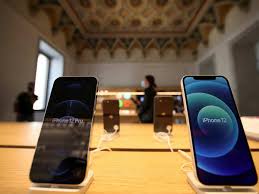
According to the WSJ, Apple plans to raise prices on its products to offset the surging costs of memory and storage chips, CEO Tim Cook said in an interview with The Wall Street Journal.
"Unfortunately, price increases are unavoidable," he said. "We're doing our best to mitigate the huge increases that are being passed to us, and we've been trying to shield our customers from the increases, but the situation has become unsustainable."
Cook declined to offer details on the timing or scale of the planned price increases, nor which products would be affected. Apple's next major product launch is likely to be in September when it releases the iPhone 18 lineup, expected to include a new foldable iPhone.
Price increases, especially for Macs and iPads, could come sooner. Apple - which is only the first major consumer electronics company to succumb to surging input prices and pass them through to consumers - raised the starting price of the Mac Mini last month in between launch events.
Skyrocketing demand for memory and storage chips from artificial-intelligence companies has pushed up their cost so much that Apple would have to raise device prices substantially to maintain its profit margins. Passing the higher cost on to consumers while maintaining its profit margin would add about $270 to the price of the next iPhone Pro model, or a price increase of more than 20% estimates research firm TechInsights.
While Apple doesn't report the gross profit margins on individual products, the TechInsights research suggests the margin on the $1,099 iPhone 17 Pro was a tidy 47%. To maintain that profit margin for the iPhone 18 Pro, based on estimated costs, the company would have to charge $1,371. Because the company likes standardized pricing, the starting price tag would more likely be $1,299, yielding a 44% gross profit.