










Breaking News
 The current "UFO/UAP disclosure" campaign is not a grassroots or independent effort.
 Scientists Discover A 113-million-year-old Pterosaur Wing Preserved In Extraordinary Detail
 States Finally Begin to Roll Back Free Healthcare for Illegal Aliens
 Trump's ready to reopen mental institutions and liberals are furious…
Top Tech News
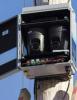 Heads up: Apparently the government is hiding cameras inside fake utility boxes
 Sodium Batteries And EVs That Power The Grid: Inside GM's Big Energy Push
 NUCLEAR ENGINE - UNLIMITED LUXURY - 20 YEARS WITHOUT REFUELING
 China Unveils Nuclear-Powered Floating Hub For Green Shipping
 China Launches World's 1st Commercial Brain Chip, Beating Elon Musk's Neuralink!
 Modular next-gen US nuclear reactor goes critical
 How EMF's cause disease
 This Company Will Add Phone, AirPod, and Smartwatch Trackers to License Plate Readers
 Elon Details SpaceX AI Data Center in Space Details and Roadmap
 5-in-1 miniature surgical robot is the size of a seed


"Only The Beginning": How To Profit From The Asymmetric Warfare Boom
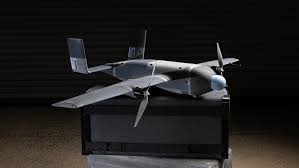
In the Middle East, US Special Forces learned the hard way that cheap Iranian Shahed-style drones can eliminate multi-million-dollar (if not billion-dollar) communications, radar, and command-and-control nodes.
The result of this Iranian offensive with cheap drones, which exposed a missing air-defense layer over high-value U.S. military communications systems across the Gulf region, will trigger a defense procurement reset. The U.S. military is now racing to source, order, and stockpile low-cost one-way attack drones, interceptors, and counter-UAS systems before the next conflict erupts - or US-Iran ceasefire blows up.
Piper Sandler analyst Clarke Jeffries is now arriving at the same conclusion we have been highlighting:
We anticipate one of the biggest lessons of the 2020s will be how affordable drone technology fundamentally reshaped the modern combat environment and set the stage for a reevaluation of the procurement, organization and strategy of ~$3T in annual global military expenditures.
While drones have existed in the modern military apparatus for decades at this point, it was the Ukraine war (as one of the first near-peer conflicts in recent memory) which provided demonstrable evidence of how specifically lightweight and affordable systems could change the paradigm of combat.
Jeffries provided clients with a detailed overview of the nine public and nineteen private companies powering America's emerging drone industry. His takeaway: this is still the early chapters of a market set for massive growth, as the U.S. military and allied nations push the procurement cycle into higher gear next year and through the end of the decade.
He sees the first wave of the market centered on inexpensive UAS production, domestic supply chains, and rapid procurement, while the second wave will be driven by autonomy, swarming, mothership configurations, and deeper integration into command-and-control networks.
He pointed out that AI software will be as important as hardware, with platforms such as Palantir's Maven Smart System poised to turn massive drone sensor feeds into highly usable battlefield intelligence.
"With most nations averse to endure undue cost to the already punishing economics of pursuing a war, we see proliferation of Group 1-3 UAS as an inevitability and the next major technology inflection point for the aerospace and defense industry," the analyst said.