










Breaking News
 FULL: Elon Musk, Jensen Huang, Tom Brown Discuss the AI Revolution & What's Next – 09/29/26
 Trump Administration Slashes Biden Fuel-Economy Standards: 'Fleet-average fuel economy...'
 Transgender New York Times executive 'infuriated his in-laws by letting son wear girl's dres
 Congress Ordered An Annual Accounting Of Terrorism; The Counting Has Stopped...
Top Tech News
 Elon Musk's Next-Gen Motor Destroy Entire EV Industry
 China's disputed satellite refueling heralds new space war era
 BYD Will Put Solid-State Batteries In An EV Next Year: Executive
 FDA-cleared exoskeleton puts spinal-cord patients back on their feet
 Your Robotic Vacuum Is Watching You -- Could It Someday Testify Against You in Court?
 Why Unigrid's Sodium-Ion Batteries Are the Game-Changer for Off-Grid Energy Storage
 This Battery On Wheels Makes Any Diesel Truck Electric In 5 Minutes
 Mass-Production of AI Infrastructure – Speed Up by 10X
 3D-printed Martian mud homes look critical for life beyond Earth
 Inside The Texas Factory Racing To Break China's Grip On EV Magnets



Trump Administration Slashes Biden Fuel-Economy Standards: 'Fleet-average fuel economy...'
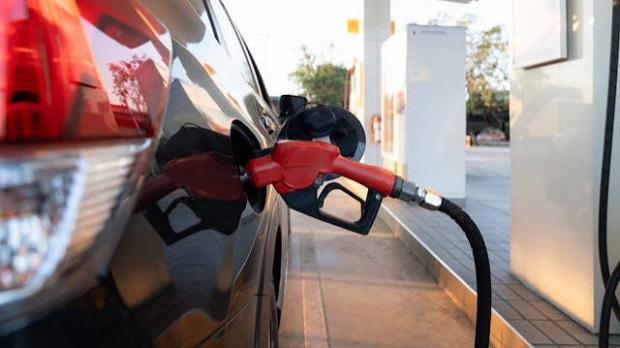
Today, the United States Department of Transportation announced a rule that will reset the fuel-efficiency targets that were put into effect under the Biden administration. The new rule will dramatically reduce the corporate average fuel economy (CAFE) standards mandated by the National Highway Traffic Safety Administration (NHTSA).
The new rule will require automakers to meet a fleet-average fuel economy of 34.9 mpg, down from the 50.4 mpg required under the Biden administration.
The new standards will require a fleet-average fuel economy of 34.9 mpg by model year 2031. This is significantly lower than the standards put in place under the Biden administration, which required a fleetwide average of 50.4 mpg.
The Department of Transportation says the new, less stringent standards are meant to give automakers more flexibility in the types of cars, and more specifically the powertrains within those vehicles, that they offer to the public. The department claims the ruling will cut the average cost of a new car by $1300 and collectively save Americans $138 billion over the next five years. The official statement also argues that the changes will lead shoppers to buy newer vehicles, saving 1900 lives and preventing over 300,000 serious injuries, although no time span was specified for these figures.