










Breaking News
 5 MINS AGO! This LEAKED News Is HORRIBLE for GOLD & SILVER Investors
 Is Trump About To Invade Cuba?
 What you thought on my first 24-hour plan for SHTF...And some great comments.
 Shawn Ryan: America May Not Stay A Superpower, China Is Watching Us Self-Destruct
Top Tech News
 Elon Musk's Next-Gen Motor Destroy Entire EV Industry
 China's disputed satellite refueling heralds new space war era
 BYD Will Put Solid-State Batteries In An EV Next Year: Executive
 FDA-cleared exoskeleton puts spinal-cord patients back on their feet
 Your Robotic Vacuum Is Watching You -- Could It Someday Testify Against You in Court?
 Why Unigrid's Sodium-Ion Batteries Are the Game-Changer for Off-Grid Energy Storage
 This Battery On Wheels Makes Any Diesel Truck Electric In 5 Minutes
 Mass-Production of AI Infrastructure – Speed Up by 10X
 3D-printed Martian mud homes look critical for life beyond Earth
 Inside The Texas Factory Racing To Break China's Grip On EV Magnets



5 MINS AGO! This LEAKED News Is HORRIBLE for GOLD & SILVER Investors
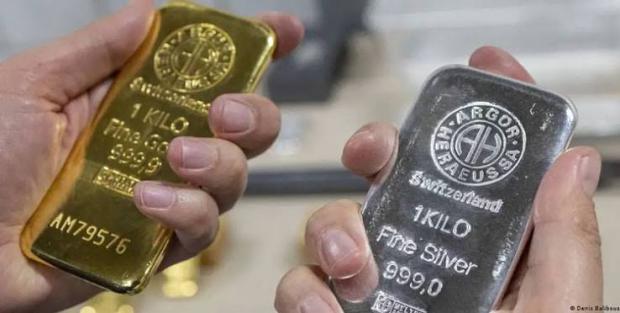
The speakers highlight major changes in COMEX gold and silver inventories, pointing to sharp declines in available physical holdings as more entities choose to take actual delivery of precious metals instead of rolling futures contracts forward. They argue that this shift reflects weakening public confidence in paper-based financial instruments and signals a broader transition where physical supply and demand may eventually determine prices rather than derivative markets.
A significant focus is placed on the dramatic inventory movements seen since 2020, which the speakers describe as a major "pattern shift" in the gold market. They interpret the large spikes and sudden drawdowns in COMEX inventories as evidence that institutions and central banks are preparing for deeper instability in the global financial system. According to their view, gold acts as a financial anchor during times of uncertainty, and the increased demand for physical delivery suggests that large market participants no longer fully trust the paper gold system. They also connect this trend to long-term structural issues dating back to the 2008 financial crisis.
The conversation also explores how inflation, debt culture, and consumer behavior are affecting ordinary people. The speakers criticize modern financial habits such as "buy now, pay later" systems, arguing that younger generations are being encouraged to prioritize spending and experiences over savings and hard assets. They warn that inflation continues to erode purchasing power while wages fail to keep pace, making households increasingly vulnerable. In their view, gold and other tangible assets represent a form of financial protection and long-term savings that can help individuals weather economic instability.